Your garage door spring plays a critical role in keeping the entire garage door system working smoothly and safely. These heavy-duty components handle constant tension every time the door opens or closes, supporting the full weight of the door as it moves. When a spring becomes worn or breaks, the door may stop functioning properly and can create serious safety concerns for anyone nearby.
Recognizing the early warning signs of spring trouble can help prevent sudden failures and more serious damage that may require garage door spring repair. Being aware of these signs allows you to respond quickly before a small issue turns into a larger problem. This guide highlights the most common indicators to watch for, helping you understand when it’s time to have your garage door springs evaluated by a professional.
Common Signs You May Need Garage Door Spring Repair
Recognizing the early signs of a failing garage door spring can help prevent more serious problems down the line. One of the most noticeable warning signals is a sudden loud bang coming from the garage, which often indicates that a spring has snapped under tension. You may also notice that the door feels unusually heavy or refuses to open at all, both of which suggest the springs are no longer able to support the door’s weight as intended.
Ignoring these warning signs can lead to system failure and increased safety concerns. When a spring is damaged, the rest of the garage door components are forced to work harder than they should, which can accelerate wear across the entire system. Paying attention to changes in how your door moves and sounds can help you recognize when corrective action is needed before the issue escalates.
For a deeper look at early warning signs and next steps, read our guide “When Do You Need Garage Door Spring Repair?”
Difficulty Opening or Closing the Door Often Leads to Garage Door Spring Replacement
A noticeable change in how your garage door operates is often one of the clearest signs of spring trouble. When the door suddenly becomes difficult to lift or feels far heavier than usual, it usually means the springs are no longer doing their job. Garage door springs are designed to counterbalance the door’s weight, making movement smooth and manageable, so when they weaken or fail, that support disappears.
This issue often becomes apparent when using an automatic opener as well. The opener may strain, move more slowly, or produce unusual sounds as it tries to compensate for the added weight. Since openers are meant to guide the door along the tracks rather than carry its full load, prolonged strain can lead to further mechanical problems. Continued use while the spring is failing places unnecessary stress on cables, tracks, and panels, increasing the likelihood of additional damage and safety risks.
Visible Gaps or Damage That Point to Garage Door Torsion Spring Repair
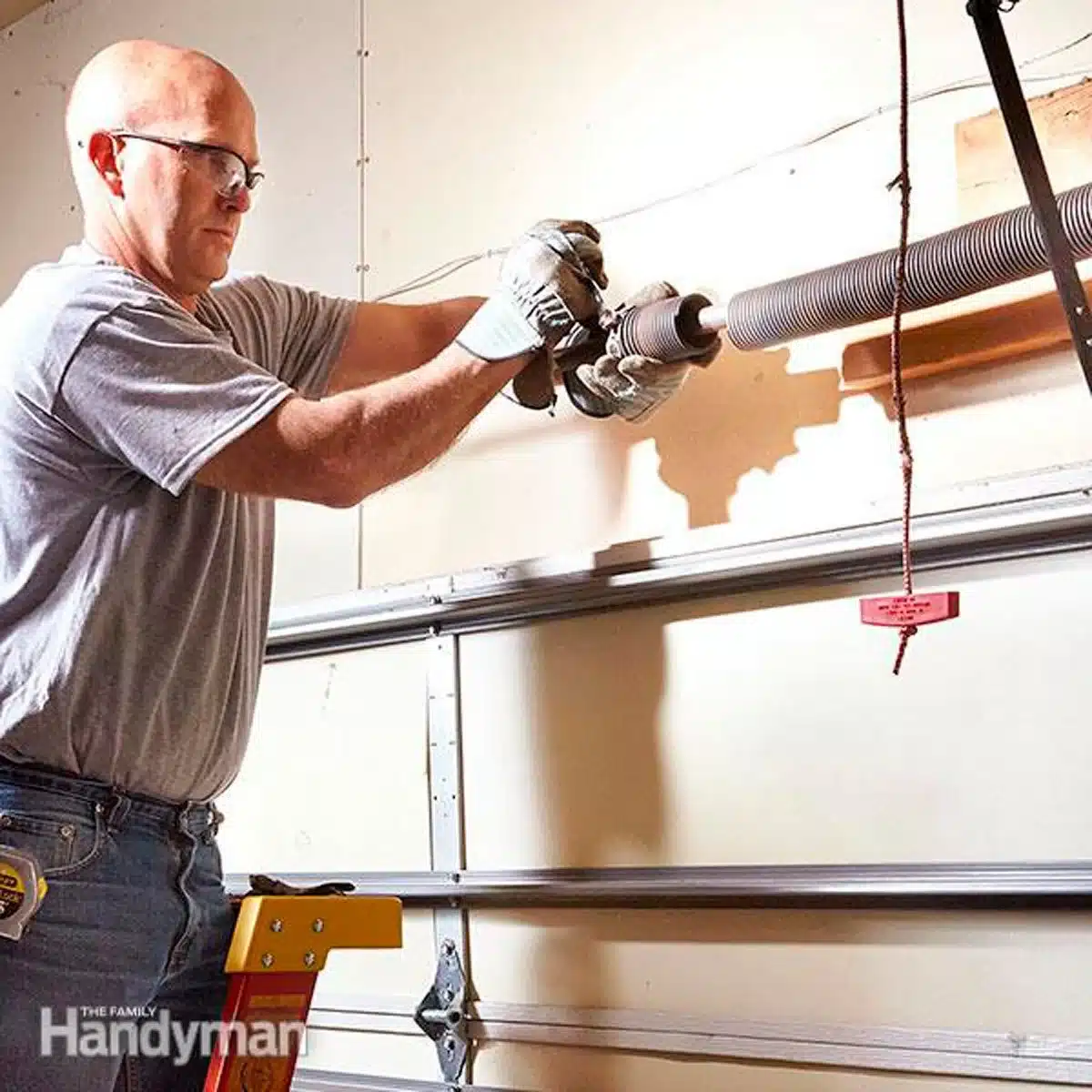
In some cases, garage door spring problems are easy to identify through a simple visual check, especially when related wear also points to the need for garage door roller replacements. With torsion spring systems, the spring is mounted on a metal bar above the door opening. When functioning properly, the coils remain tightly wound together, but a clear sign of failure is a visible gap between the coils, often measuring several inches, which indicates the spring has snapped and can no longer function safely.
Other visual warning signs may also suggest the springs are nearing the end of their service life. These indicators often include:
- Visible rust or corrosion along the spring coils
- Springs that appear stretched or elongated, even when the door is closed
- Fraying or visible wear on nearby safety cables
These conditions weaken the metal and increase friction, making sudden failure more likely. Because torsion springs operate under extreme tension, issues involving visible damage should always be taken seriously and addressed by a qualified professional to ensure safe and reliable garage door operation.
Additional Symptoms Related to Garage Door Spring Problems
Beyond the most obvious warning signs, there are several other indicators that can suggest your garage door is experiencing spring-related issues. One of the more noticeable changes is uneven movement, where the door appears crooked as it opens or closes, or sits lower on one side when fully shut. This imbalance often points to a spring that has failed or lost strength, causing the door to operate without proper support.
These early symptoms signal that the garage door system is under excessive strain. When left unaddressed, the added stress can lead to more serious problems, including the door coming off its tracks or damage to components such as rollers, panels, or safety cables. Addressing these issues early helps prevent further complications and reduces the risk of more extensive repairs. The sections below explain these warning signs in greater detail.
For more insight into the consequences of waiting too long, explore our article “What Risks Come With Delayed Garage Door Spring Repair.”
Loud or Sudden Noises That May Require Emergency Garage Door Spring Repair
A loud, sudden noise coming from the garage can be alarming, especially when it resembles a sharp crack or explosion. This sound is commonly caused by a garage door spring snapping under tension, releasing the stored energy within the tightly wound coils. When this happens, it is a clear indication that the spring has failed.
At this point, the garage door should not be operated, either manually or with an opener. Without a functioning spring, the door becomes extremely heavy and unpredictable, increasing the risk of sudden drops or additional mechanical damage. Because a broken spring creates a serious safety hazard, emergency attention is necessary to restore safe operation and prevent potential injuries.
Fast or Uncontrolled Door Movement Linked to Garage Door Extension Spring Repair
Sudden or erratic garage door movement often points to a problem with one of the extension springs, and in some systems, it may also signal the need for Wayne Dalton TorqueMaster conversions. These springs are located along both sides of the door tracks and stretch as the door opens to help lift its weight evenly. When one extension spring fails, the door loses balance on that side, which can cause it to shift abruptly or move in an unstable manner, affecting overall performance and safety.
Extension spring issues are particularly concerning because of how they behave when damaged. Unlike torsion springs, which remain mounted on their shaft even after breaking, extension springs can recoil with force if a safety cable is compromised. Signs that may indicate the need for extension spring repair include:
- The garage door slams shut instead of closing smoothly
- The door shakes, jerks, or moves unevenly along the tracks
- One side of the door hangs noticeably lower than the other
When these symptoms appear, continued use of the door can place additional strain on the opener, rollers, and tracks. Professional attention ensures the spring is handled safely and the door is restored to stable, controlled operation.
How Garage Door Spring Repair Issues Affect Performance and Safety
Garage door spring issues are more than a minor inconvenience, as they directly affect how the entire system functions. Springs are designed to balance the weight of the door so it can move smoothly and safely. When a spring weakens or breaks, that weight is transferred to components that are not meant to carry it, causing increased strain across the system and accelerating wear on critical hardware.
When spring problems go unaddressed, the added stress often spreads to other parts of the door. Openers may begin to struggle, tracks can bend under uneven pressure, and door panels may shift out of alignment. Over time, these issues compound, leading to repeated breakdowns and increased safety concerns. Addressing spring problems early helps preserve the integrity of the system, reduces unnecessary strain on other components, and restores dependable operation.
To learn how timely service can help avoid these failures, read “Can Garage Door Spring Repair Prevent Door Failure?”
Uneven Door Operation That Can Influence Garage Door Spring Repair Cost
Uneven door movement is one of the clearest indicators of a spring-related problem and can quickly lead to the need for emergency garage door repair, especially in systems that rely on two springs to share the load. When one spring fails or loses strength faster than the other, the door may lift unevenly or sit lower on one side when closed. This imbalance places constant stress on tracks, cables, and panels, increasing the likelihood of secondary damage.
Allowing the door to continue operating in this condition often expands the scope of the repair. A door that moves unevenly can warp tracks, strain lifting cables, or cause panels to shift out of position, turning a single spring issue into a broader system concern. Several factors influence how extensive the repair may become, as shown below.
Factor | How It Affects the Repair |
Type of Spring System | Different spring systems place stress on the door in different ways, which can affect how repairs are performed. |
Door Size and Weight | Heavier or larger doors place greater demands on the springs and connected components. |
Extent of Imbalance | The longer a door operates unevenly, the more strain is placed on tracks, cables, and panels. |
Related Component Damage | Worn or damaged cables, tracks, or openers can increase the overall scope of the repair. |
By addressing uneven operation early, you reduce unnecessary strain on the system and help prevent additional damage that can compromise both performance and safety.
Ongoing Spring Issues That Commonly Result in Emergency Garage Door Spring Repair
Small warning signs, such as a squeaky spring or a garage door that suddenly feels heavier than usual, often indicate that the springs are reaching the end of their lifespan, even if the door still appears to work. These changes are easy to dismiss, but they signal gradual wear that can quickly escalate if ignored, allowing a manageable issue to develop into a much more serious problem. When a worn spring finally fails, it usually happens without warning, marked only by a sharp snap and a door that no longer opens or closes properly. At that point, the door may be stuck in place or behave unpredictably, creating safety concerns and disrupting daily routines. Taking early signs seriously and addressing spring issues before they worsen helps prevent sudden breakdowns, reduces unnecessary stress, and ensures the garage door continues to operate safely and reliably.
Knowing when garage door spring repair is needed plays a key role in keeping your garage door operating safely and smoothly over time. Changes such as unusual noises or a door that becomes difficult to open or close are early signs that should not be ignored, as continued use under these conditions can cause the spring to wear out more quickly or fail without warning. Paying close attention to how your garage door moves and responds allows you to address concerns early, helping extend the life of the spring while protecting your home and those who use it. When these issues appear, contacting a qualified garage door professional promptly can prevent larger complications and ensure the system continues to function reliably for years to come.
If you’re looking for dependable help from a team that understands garage door systems inside and out, Alachua Door Company is a trusted choice for homeowners in the area. Our experienced technicians focus on accurate diagnosis, safe repairs, and long-term performance so you can feel confident in your garage door’s operation. Don’t wait for a small spring issue to turn into a major problem. Contact us today or give us a call to schedule service and keep your garage door working safely and smoothly.
Frequently Asked Questions
How long does garage door spring repair usually take?
In most cases, garage door spring repair or replacement is completed within one to two hours. The exact timeframe depends on the type of spring, the design of the garage door system, and whether additional issues are discovered during the inspection. More complex setups or added damage can extend the process, as extra adjustments or component repairs may be required.
When is garage door spring repair possible instead of garage door spring replacement?
Garage door springs are designed to be replaced rather than repaired once they fail. A spring that has broken, stretched, or developed significant rust can no longer provide reliable support or tension. While minor adjustments or lubrication may be performed during routine service, these steps do not restore a worn or damaged spring. Attempting to repair a failing spring does not restore its strength and creates serious safety risks.
What is the difference between garage door torsion spring repair and garage door extension spring repair?
The primary difference lies in the spring design and placement. Torsion springs are mounted on a shaft above the garage door and work by twisting to counterbalance the door’s weight, which requires specialized tools and precise handling. Extension springs are located along the sides of the door and stretch as the door opens, making them more prone to sudden movement if they fail. Both systems are critical to proper operation, but their mechanics and safety considerations differ significantly.
Is it safe to use a garage door while waiting for emergency garage door spring repair?
Using a garage door with a broken spring is unsafe and should be avoided, as the spring plays a critical role in supporting the door’s weight and keeping movement controlled. Without that support, the door becomes unstable and places excessive strain on the opener, increasing the likelihood of additional mechanical damage. More importantly, a door without proper spring tension can drop suddenly and without warning, creating a serious risk of injury or property damage. For additional insight into why these situations require caution, this article from onrec explains the dangers associated with emergency garage door issues. The safest approach is to leave the door unused until professional repair restores safe operation.
Can a garage door be opened manually when emergency garage door spring repair is needed?
Although most garage doors have a manual release, opening the door without a functioning spring is not recommended. Springs balance the door’s weight, and without that support, the door becomes extremely heavy and difficult to control. Attempting to lift it manually can result in injury or loss of control, so it is best to wait for professional assistance.
What commonly causes the need for garage door spring repair over time?
Normal wear is the most common reason garage door springs fail. Springs are rated for a specific number of open-and-close cycles, and repeated use gradually weakens the metal. Environmental factors such as moisture and corrosion can accelerate this process by reducing the strength and flexibility of the steel, eventually leading to failure.
How long do garage door springs typically last before needing repair or replacement?
Spring lifespan depends on the type of spring and how frequently the door is used. Extension springs typically last several years under regular use, while torsion springs generally have a longer service life. Frequent daily operation shortens that lifespan, as each cycle contributes to metal fatigue. Over time, replacement becomes a necessary part of maintaining reliable door performance.
Should both springs be addressed during garage door spring replacement if only one is damaged?
In most cases, replacing both springs at the same time is recommended. Springs are installed as a matched set and experience equal wear, so when one fails, the other is often close behind. Replacing both helps maintain proper balance and reduces the likelihood of another failure shortly after service is completed.
Can unresolved garage door spring repair issues affect other garage door components?
Yes, unresolved spring problems place excessive stress on the entire garage door system by forcing the opener to work harder to lift the door, which can lead to motor damage, while uneven movement puts added strain on tracks, rollers, and cables. Over time, this constant imbalance increases the likelihood of multiple component failures and reduces overall system reliability. For a broader look at how mechanical issues can affect garage door performance, this resource from The Spruce provides helpful context.
How can delaying garage door spring repair impact safety and overall door performance?
Delaying spring repair increases both safety risks and mechanical strain. A weakened or broken spring can cause the door to move unpredictably or fall suddenly, creating a hazard for people and property. Continued operation under these conditions also accelerates wear on other components, leading to reduced performance and more extensive repairs later on.
In most cases, garage door spring repair or replacement is completed within one to two hours. The exact timeframe depends on the type of spring, the design of the garage door system, and whether additional issues are discovered during the inspection. More complex setups or added damage can extend the process, as extra adjustments or component repairs may be required.
Garage door springs are designed to be replaced rather than repaired once they fail. A spring that has broken, stretched, or developed significant rust can no longer provide reliable support or tension. While minor adjustments or lubrication may be performed during routine service, these steps do not restore a worn or damaged spring. Attempting to repair a failing spring does not restore its strength and creates serious safety risks.
The primary difference lies in the spring design and placement. Torsion springs are mounted on a shaft above the garage door and work by twisting to counterbalance the door’s weight, which requires specialized tools and precise handling. Extension springs are located along the sides of the door and stretch as the door opens, making them more prone to sudden movement if they fail. Both systems are critical to proper operation, but their mechanics and safety considerations differ significantly.
Using a garage door with a broken spring is unsafe and should be avoided, as the spring plays a critical role in supporting the door’s weight and keeping movement controlled. Without that support, the door becomes unstable and places excessive strain on the opener, increasing the likelihood of additional mechanical damage. More importantly, a door without proper spring tension can drop suddenly and without warning, creating a serious risk of injury or property damage. For additional insight into why these situations require caution, this article from onrec explains the dangers associated with emergency garage door issues. The safest approach is to leave the door unused until professional repair restores safe operation.
Although most garage doors have a manual release, opening the door without a functioning spring is not recommended. Springs balance the door’s weight, and without that support, the door becomes extremely heavy and difficult to control. Attempting to lift it manually can result in injury or loss of control, so it is best to wait for professional assistance.
Normal wear is the most common reason garage door springs fail. Springs are rated for a specific number of open-and-close cycles, and repeated use gradually weakens the metal. Environmental factors such as moisture and corrosion can accelerate this process by reducing the strength and flexibility of the steel, eventually leading to failure.
Spring lifespan depends on the type of spring and how frequently the door is used. Extension springs typically last several years under regular use, while torsion springs generally have a longer service life. Frequent daily operation shortens that lifespan, as each cycle contributes to metal fatigue. Over time, replacement becomes a necessary part of maintaining reliable door performance.
In most cases, replacing both springs at the same time is recommended. Springs are installed as a matched set and experience equal wear, so when one fails, the other is often close behind. Replacing both helps maintain proper balance and reduces the likelihood of another failure shortly after service is completed.
Yes, unresolved spring problems place excessive stress on the entire garage door system by forcing the opener to work harder to lift the door, which can lead to motor damage, while uneven movement puts added strain on tracks, rollers, and cables. Over time, this constant imbalance increases the likelihood of multiple component failures and reduces overall system reliability. For a broader look at how mechanical issues can affect garage door performance, this resource from The Spruce provides helpful context.
Delaying spring repair increases both safety risks and mechanical strain. A weakened or broken spring can cause the door to move unpredictably or fall suddenly, creating a hazard for people and property. Continued operation under these conditions also accelerates wear on other components, leading to reduced performance and more extensive repairs later on.