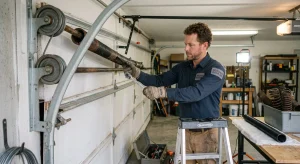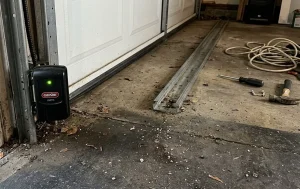

Garage door cable repair falls into a category of home repairs where the wrong decision can lead to real physical danger and costly collateral damage. The cable system bears the full weight of the door under extreme tension, and a single mistake during a repair can cause the entire system to fail without warning.
A garage door cable replacement or repair that is handled incorrectly can void warranties, damage surrounding components, and put everyone in the household at risk. Understanding the full scope of what this repair involves is the difference between a job done well and a problem that costs far more to fix the second time around.
What Causes Garage Door Cable Damage?

Garage door cables endure hundreds of operating cycles every year, and that constant mechanical stress gradually weakens the materials, strains the connections, and accelerates wear on every component the cable contacts during normal operation.
Here are the most common reasons garage door cables fail:
- Daily wear and fraying push cable strands past their tensile limit over time
- Poor installation alignment forces cables to rub against metal edges prematurely
- Rust and corrosion break down cable fibers and compromise the entire cable structure
- Worn pulleys and rollers concentrate uneven friction on specific cable sections
- Skipped maintenance allows minor fraying to develop into full cable failure without warning
To understand how these failure points affect your entire system, read our guide on What Causes Garage Door Cables to Break, which explains every mechanical and environmental factor that leads to cable damage in residential garage door systems.
Signs Your Garage Door Cable Needs Repair

A damaged garage door cable almost always signals trouble before it fully breaks, leaving your entire system compromised.
Here are the most common garage door cable failure warning signs to watch for:
- Visible fraying or snapping means the cable strands are breaking down, and failure is imminent
- Uneven or lopsided door movement signals that one cable is no longer carrying its share of the load
- The door stops halfway, pointing to a cable that has slipped or lost tension
- Loud snapping or grinding sounds indicate a cable operating under abnormal stress
- A cable hanging loose from the drum or pulley has already detached from the system
To recognize these signs before they lead to a full system failure, read our guide on How to Spot Garage Door Cable Failure Before It Gets Dangerous, which covers every indicator homeowners need to recognize before a cable completely breaks down.
Is It Safe to Fix a Garage Door Cable on Your Own?
When to Hire a Professional
Broken Springs Alongside the Cable
Torsion springs and extension springs store lethal amounts of energy, and a spring break event, along with a cable failure, makes the entire system unpredictable.
Watch for these indicators:
- Visible spring separation or a gap in the torsion spring coil above the door
- Cable hanging loose on one or both sides after a loud bang
- The door refuses to move, even with manual force applied
- The opener runs, but the door stays completely still
Attempting any repair when both a spring and cable have failed puts you at immediate risk of a serious injury.
Door Is Crooked or Jammed
A crooked or jammed door means the weight of the garage door is distributed unevenly throughout the system.
Watch for these signs:
- One side of the door sits visibly lower than the other
- The door panel presses against the track on one side during operation
- Manual movement feels unusually heavy or completely impossible
- Opener strains audibly or stops mid-cycle without completing the movement
Forcing movement in a jammed or crooked door can cause it to drop suddenly, which makes professional intervention the only responsible course of action.
Extension Spring Systems
Older garage door systems using extension spring cables carry a different but equally serious set of risks during any cable repair attempt.
Watch for these conditions:
- Springs running horizontally along the sides of the door rather than above it
- Visible stretching, gaps, or deformation along the spring body
- Safety cables threaded through the springs are missing or damaged
- Pulley wheels at the end of the tracks show wear or wobbling during operation
Extension springs snap violently when disturbed incorrectly, and any garage door repair involving this system must be handled by a licensed technician.
Lack of Proper Tools
Garage door cable repair demands specific tools that most homeowners do not keep in their garage.
Watch for these gaps before attempting any repair:
- No winding bars available for managing torsion spring tension
- Missing locking pliers to secure the door in place during the repair
- No heavy-duty gloves or safety glasses on hand
- Standard household tools being considered as substitutes for specialized equipment
Proceeding without the correct tools increases the likelihood of losing control of a component under extreme tension, leading to immediate physical harm.
Warranty Protection
Many garage door systems come with manufacturer and labor warranties that cover repairs when a licensed professional performs the work.
Consider these warranty facts before picking up a tool:
- Most manufacturer warranties require licensed technicians to perform all mechanical repairs
- DIY repairs on a system still under warranty can void coverage immediately
- Documentation of professional service protects homeowners during future warranty claims
- Labor warranties offered by garage door companies only apply when their technicians complete the work
Verifying your warranty terms before attempting any repair can save you from losing coverage that would otherwise pay for the fix at no additional cost.
When You Can DIY
Cable Slipped Off the Drum
A cable that has simply slipped off the drum without snapping is one of the few situations in which a careful homeowner can attempt a reset.
Look for these conditions before proceeding:
- Cable is visibly intact with no fraying or broken strands
- Both torsion springs appear undamaged and properly coiled
- The door is fully resting on the ground with no tension in the system
- The drum is undamaged and still properly attached to the torsion bar
Resetting a slipped cable without first confirming these conditions can cause the cable to slip mid-cycle again, requiring a more involved repair.
Replacing a Frayed Cable
Early-stage fraying gives homeowners a window to address the problem before a full snap occurs.
Check for these conditions before attempting a garage door cable replacement:
- Fraying is visible, but the cable has not yet snapped or separated
- The door is fully closed and resting flat on the floor
- No unusual tension or resistance is felt when manually moving the door
- Replacement cable matches the exact specifications of the original
Replacing a frayed cable without confirming the door is completely free of tension puts the repair in the same risk category as working on a fully broken system.
You Are Mechanically Inclined
Mechanical experience with garage door systems reduces the risk of a DIY cable repair but does not eliminate it entirely.
Consider these requirements before moving forward:
- Prior hands-on experience with garage door cable or spring systems
- Full understanding of how torsion spring tension works and how to manage it
- All required tools, including winding bars, locking pliers, and protective gear, are available
- A second person is present to assist and respond if something goes wrong
Homeowners without the right experience and tools will likely turn a manageable cable issue into an emergency garage door repair.
Both Cables Are Off but Door Is Grounded
A door resting flat on the floor, with both cables detached, is one of the few scenarios in which a full manual reset is possible without professional help.
Confirm these conditions before attempting a reset:
- The door is completely flat on the ground with no angle or tilt
- Both torsion springs are fully intact and show no signs of damage
- Cable drums are undamaged and still properly secured to the torsion bar
- Spring line alignment is fully understood before any adjustments are made
Resetting both cables without verifying spring integrity first causes the system to rebalance incorrectly and accelerates wear on every connected component.
What You Need to Know Before Attempting a Repair
Taking on a garage door cable repair without the right preparation puts both the system and everyone nearby at immediate risk.
Here is what every homeowner must do before touching any part of the system:
- Unplug the garage door opener to prevent accidental activation
- Pull the emergency release cord to disconnect the door from the drive mechanism
- Lock the door in place using locking pliers on the track above a roller
- Wear heavy-duty gloves and safety glasses to protect against sharp cable edges
- Never work alone, so someone is available if the situation becomes unmanageable
To fully grasp what happens when these precautions are ignored, read our guide on What Happens When a Garage Door Cable Breaks, which details every consequence homeowners face after a cable failure.
How Professionals Handle Garage Door Cable Repair

A trained garage door technician evaluates the entire system during every repair visit, not just the cable that failed.
Here is what a professional does during a garage door cable repair visit:
- Inspects torsion springs and extension springs for damage, wear, or incorrect tension
- Checks pulleys, rollers, and drums for corrosion, misalignment, or excessive wear
- Releases spring tension safely before removing the damaged cable
- Installs new cables matched to the door size and spring system
- Tests balance, auto-reverse, and opener response after installation
Professional cable repairs and garage door installation services come with labor warranties that protect homeowners long after the technician leaves the job.
What Affects the Cost of Garage Door Cable Repair?
Garage door cable repair cost varies because the condition of the system, the components involved, and the scope of work all influence the final price.
Here is what influences the overall cost of garage door cable repair services:
- The type of cable and spring system affects the complexity and labor requirements
- The extent of the damage determines whether one or both cables need replacement
- Associated component damage to drums, pulleys, or brackets adds to the total
- The cost of labor varies based on the service provider and experience level
- Emergency or after-hours service comes with higher fees than standard appointments
Getting a written estimate before any work begins ensures homeowners understand exactly what they are paying for before a technician touches the system.
When It Comes to Garage Door Cable Repair, Hiring a Pro Is Always Worth It
Understanding the difference between a cable issue you can handle and one that requires a licensed technician protects your home and everyone in it. Garage door cable repair done correctly the first time saves homeowners from repeat failures, voided warranties, and damage that compounds when left unaddressed.
Alachua Door Company brings the tools, training, and local expertise that Gainesville, FL, homeowners need when a garage door cable repair cannot wait. Contact us or give us a call, and let our team evaluate your system and handle everything your garage door needs to perform as designed.
Frequently Asked Questions
How do I know if a cable repair also requires replacing other components?
A professional technician will inspect the drums, pulleys, and bottom brackets during any cable repair visit. If any of these components show wear or damage, replacing them alongside the cable prevents repeat failures.
What is the difference between torsion spring cables and extension spring cables?
Torsion cables run horizontally along the top of the door and work with torsion springs to lift the door. Extension spring cables run along the sides and work with extension springs, making each type specific to the spring system installed on the door.
How do garage door companies determine their cable repair pricing?
Most garage door companies base their pricing on the type of cable, the spring system involved, the extent of the damage, and the cost of labor in the local market. Requesting a written estimate before work begins gives homeowners a clear picture of what they will pay.
Is it possible to prevent garage door cable failure altogether?
No cable lasts forever, but scheduling regular preventative maintenance significantly extends its lifespan. A technician can catch early fraying, misalignment, and tension issues before they develop into a full cable failure.
What should I do immediately after noticing a broken cable?
Stop using the garage door completely and avoid attempting to open or close it manually. Continued operation with a broken cable puts extreme stress on the remaining components and increases the risk of a more involved repair.
How does a garage door technician test the system after a cable repair?
A technician performs a balance test by stopping the door at the halfway point and releasing it to confirm it holds position. The auto-reverse function and opener response are also tested to ensure the entire system operates correctly after the repair.
Can new cables be installed on an old garage door system?
Yes. New cables can be installed on an older system as long as the drums, springs, and other hardware are still in good condition. A technician will assess the system’s overall condition before recommending new cables or a broader repair.
What makes DIY cable repair riskier than other garage door repairs?
Garage door cables work directly with springs that store extreme tension, making any mistake during the repair immediately dangerous. Unlike other garage door parts, cables cannot be safely adjusted without the right tools and a full understanding of how the spring system works.
How often should garage door cables be inspected by a professional?
Most garage door services recommend a professional inspection at least once a year. Homes in humid climates or those with high daily usage may benefit from more frequent checkups to catch rust, fraying, or tension issues early.