
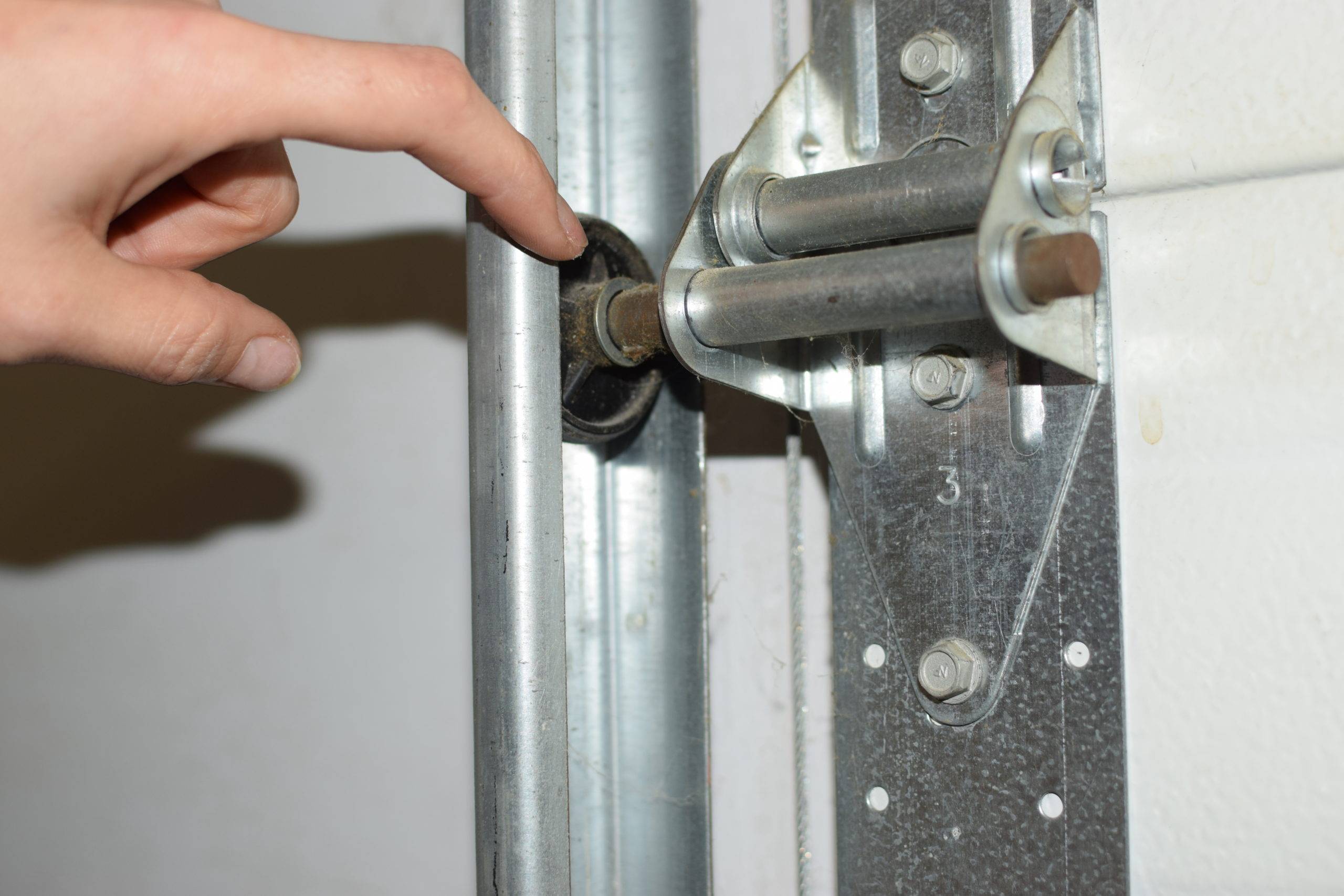
Garage door rollers are responsible for keeping the door on track through every cycle, and the wear they absorb over time eventually takes a toll on the entire system. When rollers break down, the effects spread quickly to other components that depend on them for smooth operation.
Garage door rollers replacement becomes necessary when wear, neglect, and mechanical stress push rollers past the point of recovery. Knowing what drives that breakdown helps homeowners identify the problem at the source before it affects the entire garage door system.
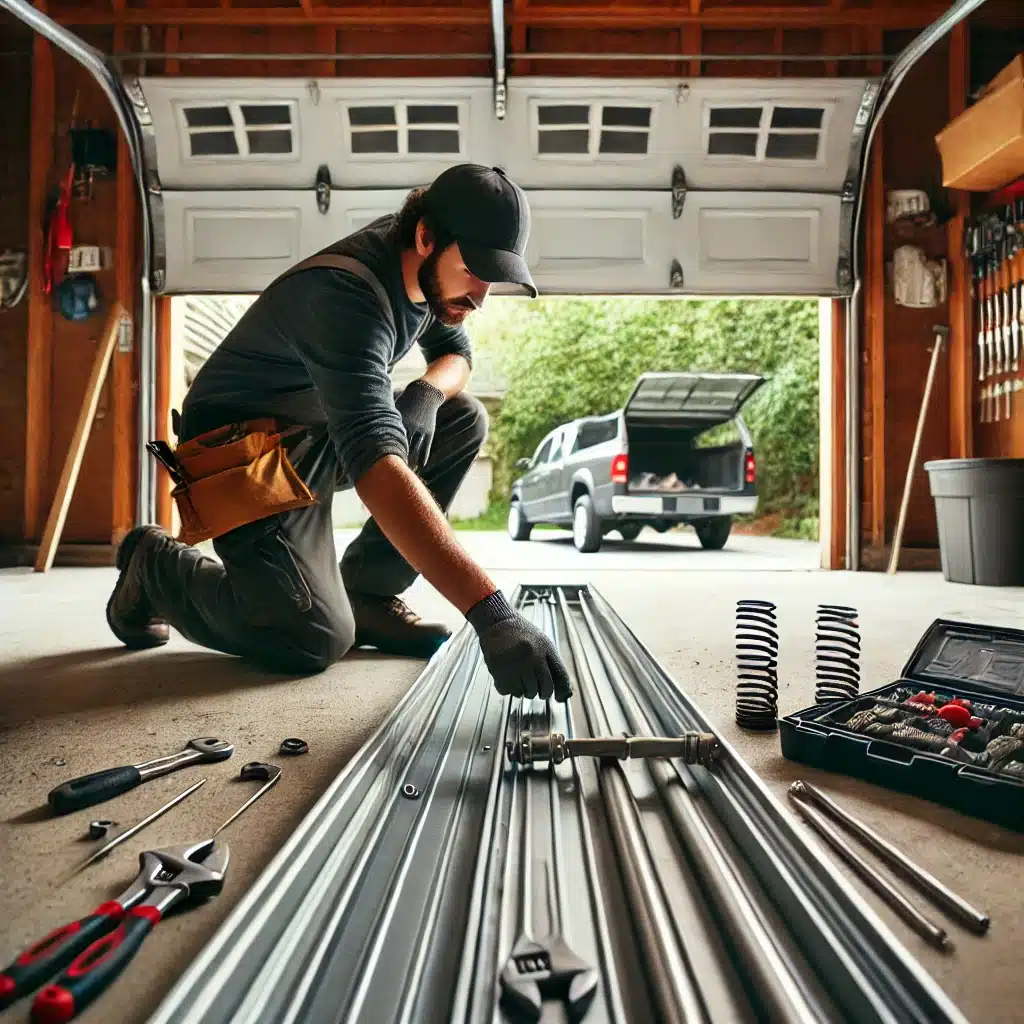
Why Garage Door Roller Damage Should Not Be Ignored
Roller damage puts the entire garage door system at risk because every worn component transfers stress to surrounding parts, and the longer it goes unaddressed, the more expensive the repair becomes.
Here is why roller damage should never be ignored:
- Worn rollers shift excess load to the garage door hinges and bottom bracket.
- The garage door opener motor strains harder against roller resistance with every cycle.
- Damaged rollers create uneven tension on torsion springs and cables.
- Grinding rollers wear down the track surface, expanding the scope of the repair.
- Failed rollers can cause the door to derail, leading to property damage and risk of injury.
To understand how often garage door rollers replacement should be scheduled before damage spreads, read our guide on How Often Should Garage Door Rollers Be Replaced?, which covers the replacement timeline every homeowner should follow.
Common Reasons Garage Door Rollers Wear Out
Natural Aging and Material Breakdown
Every roller has a finite lifespan, and material breakdown is one of the most unavoidable reasons garage door rollers replacement becomes necessary over time.
Here is how aging affects roller performance:
- Nylon rollers develop flat spots that disrupt smooth contact with the track.
- Steel rollers corrode and rust when exposed to moisture over time.
- Old roller components lose their original form after thousands of cycles.
- Plastic rollers crack and fragment under sustained mechanical stress.
- Bearing housings weaken with age, causing the wheel to wobble.
When the roller material fails completely, the resulting damage often necessitates a garage door replacement.
Lack of Lubrication
Ball bearings inside each roller depend on consistent lubrication to spin freely, and without it, friction builds up fast enough to cause permanent bearing damage.
Watch for these signs of lubrication failure:
- Dry bearings cause the roller wheel to slide instead of roll.
- Squeaking or grinding noises indicate insufficient lubrication of the garage door.
- Heat buildup inside the bearing housing accelerates wear over time.
- Metal rollers seize up faster than nylon rollers when bearings run dry.
- Stems and hinge connections also suffer when lubrication breaks down.
Applying lubricant to all rollers and tracks at least twice a year keeps bearings spinning freely and extends roller life.
Dirty or Obstructed Tracks
Track condition directly impacts how long rollers last, and built-up debris creates abrasive resistance that grinds down roller material with every cycle.
Here is what dirty tracks do to rollers:
- Accumulated grease and dirt act as an abrasive against the roller wheel surface.
- Debris obstructions force rollers to push through resistance rather than glide freely.
- Hardened lubricant inside the track creates uneven contact points that chip roller material.
- Leaves and dirt common in Gainesville, FL, collect inside tracks over time.
- Blocked tracks put extra strain on the garage door opener motor every cycle.
Keeping the tracks clean and free of debris is one of the simplest ways to protect the rollers’ condition between professional garage door service visits.
Bent or Misaligned Tracks
Track alignment determines how evenly rollers travel through the system, and even minor misalignment creates grinding pressure that shortens roller life.
Here is how misaligned tracks damage rollers:
- Rollers grind against track edges instead of rolling through the center channel.
- Physical impact from vehicles or equipment bends track brackets out of position.
- Loose bracket hardware allows tracks to shift gradually over time.
- Uneven track pressure causes individual rollers to wear at different rates.
- Top rollers and bottom roller components wear unevenly when tracks shift.
Addressing track alignment early is a straightforward garage door repair that prevents uneven roller wear from spreading across the entire system.
Broken Seals
Built-in seals protect roller bearings from moisture and debris, and once a seal fails, bearing deterioration moves quickly enough to make roller replacement unavoidable.
Here is what happens when roller seals break down:
- Cracked seals allow dirt and moisture to enter the bearing housing directly.
- Gainesville’s humidity accelerates seal deterioration faster than in drier climates.
- Debris inside the bearing destroys smooth operation from the inside out.
- Sealed nylon rollers still break down under extreme heat and moisture.
- Water intrusion leads to rust inside the bearing, even on nylon roller stems.
Seal failure that goes undetected during routine maintenance can quickly escalate into an emergency garage door repair when the bearing collapses without warning.
Heavy Usage and High Cycle Count
Rollers rated for standard residential use wear out ahead of schedule in households where the garage door runs significantly more cycles than average.
Here is how high usage accelerates roller wear:
- Multiple vehicles mean the door cycles at least 6 times daily.
- Every cycle puts stress on rollers, bearings, and track contact points.
- A heavier panel weight pushes standard rollers past their cycle limit more quickly.
- High-cycle nylon rollers are a practical upgrade for households in Gainesville, FL.
- Changing garage door rollers to higher-rated components extends system durability.
Higher-cycle rollers are worth considering as an upgrade during replacement, particularly for households with heavy daily usage.
Warning Signs of Failing Garage Door Rollers
Failing rollers communicate through sound and movement long before the damage becomes visible to the eye.
- Grinding or scraping sounds indicate the roller is dragging rather than rolling.
- Squeaking or squealing points to dry bearings that have lost lubrication.
- A shaking or vibrating door signals one or more failing rollers.
- Visible chips, cracks, or flat spots confirm the roller material has broken down.
- A door stopping midway without an electrical cause may have a roller off the track.
To spot every warning sign that confirms it’s time to replace garage door rollers, read our guide on Signs It’s Time for Garage Door Roller Replacement, which walks through the most reliable indicators homeowners notice before the system fails.
What to Do When Rollers Start to Fail
Every cycle on failing rollers transfers stress to components that were never designed to compensate for that kind of load.
Here is what to do when rollers start to fail:
- Stop operating the door until the rollers are inspected.
- Check all rollers on both sides, not just the damaged one.
- Look at the hinges and bottom bracket for stress or cracking.
- Avoid forcing the door to prevent strain on torsion springs and cables.
- Call a local garage door professional to assess the full system.
Scheduling a garage door repair visit as soon as symptoms appear is always the most practical course of action.
How Pros Diagnose and Replace Worn Rollers
Trained technicians bring years of experience to every roller diagnosis, covering the full system rather than just the components that show visible wear.
Here is what professional roller diagnosis and replacement covers:
- Every roller, track, hinge, spring, and cable is inspected for signs of damage.
- Track alignment is measured and corrected before a new roller is installed.
- Ball bearings on every roller are checked for lubrication or replacement needs.
- The garage door opener is tested for overworking due to roller resistance.
- Safety steps are followed throughout to protect everyone on site.
To explore whether hiring a pro for garage door rollers replacement is the right call, read our guide on Should You DIY or Hire a Pro for Garage Door Roller Replacement?, which breaks down what professional service covers.

How Routine Maintenance Uncovers Roller Problems Early
Regular garage door maintenance provides a consistent opportunity to identify roller problems before they lead to damage that affects the entire system.
Here is how routine maintenance uncovers roller problems early:
- Visual checks reveal cracks, chips, and rust before they worsen.
- Grinding or squeaking signals bearing wear during operation.
- Track inspections identify debris and misalignment, accelerating roller wear.
- Manual balance tests reveal uneven movement from uneven roller wear.
- Professional service visits catch issues that basic inspections often miss.
Scheduling regular garage door maintenance is the most reliable way to identify roller problems at the source before they require more involved repairs.
Let the Pros Identify What Is Causing Garage Door Roller Replacement
Garage door rollers deteriorate for specific, identifiable reasons that become more damaging the longer they go without attention. Addressing the root causes of roller wear early protects every connected component in the garage door system from unnecessary stress and premature failure.
Alachua Door Company serves homeowners across Gainesville, FL, with accurate inspections and reliable garage door repair services backed by years of experience. Contact us or give us a call today, and let our team identify what the system needs before the damage worsens.
Frequently Asked Questions
Can worn garage door rollers affect the garage door opener?
Yes. Worn rollers create resistance, forcing the opener motor to work harder than it was designed to, shortening the motor's lifespan and potentially triggering automatic reversal during operation. Addressing roller wear promptly reduces the strain placed on the opener during every cycle.
Does the weight of the garage door affect how fast the rollers wear out?
Yes. Heavier doors place a greater load on every roller, bearing, and track contact point during each cycle, accelerating wear beyond the roller's rated lifespan. Lighter doors with properly matched rollers tend to experience slower and more even wear across the system.
What type of lubricant works best for garage door rollers?
A silicone-based or white lithium grease garage door lubricant is recommended for rollers, tracks, and hinges. General-purpose sprays attract dirt and debris that clog bearings and accelerate wear over time.
How does garage door roller repair differ from full roller replacement?
Garage door roller repair typically involves re-lubricating bearings, realigning stems, or adjusting track position to restore smooth operation. Full replacement becomes necessary when the wheel surface, bearing, or stem is too deteriorated to respond to service alone.
Can a single damaged roller cause the entire garage door to fail?
Yes. A single roller that seizes, cracks, or jumps the track disrupts the door's balance and places uneven stress on every other roller, hinge, and spring in the system. Leaving one damaged roller unaddressed puts the entire system at risk of a sudden breakdown.
How do I know if my garage door tracks need attention before replacing garage door rollers?
Bent, dirty, or misaligned tracks should always be inspected and corrected before replacing garage door rollers to ensure the new components do not wear prematurely. Installing new rollers into damaged tracks entirely defeats the purpose of the replacement.
What happens if the garage door rollers are the wrong size for the track?
Rollers that do not match the track width create uneven contact that grinds down both the wheel surface and the track over time. A professional technician can confirm the correct roller size during a service visit to avoid premature wear.
Is it possible to learn how to replace garage door rollers without professional training?
Bottom rollers are generally manageable with basic tools, but understanding how to replace garage door rollers near the torsion spring zone requires professional handling due to the tension involved. Attempting that portion of the replacement without training creates a serious risk of injury.
What role do garage door hinges play in roller wear?
Worn or loose garage door hinges allow panels to shift during operation, creating uneven pressure on the rollers and accelerating wear at specific points along the track. Inspecting hinges alongside rollers during every service visit ensures both components are working together correctly.


