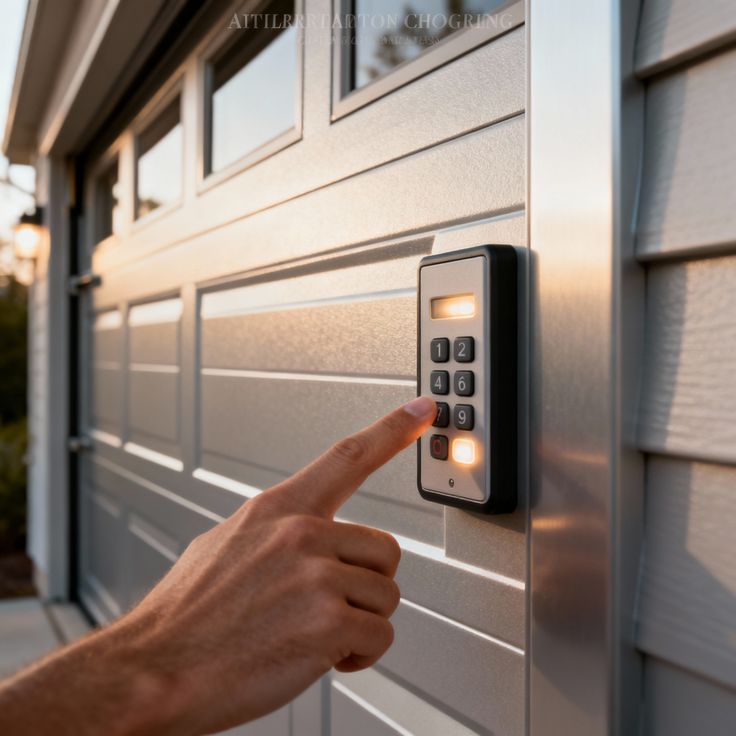
A garage door keypad is supposed to make life easier. Punch in a code, the door opens, and the day moves on. When it suddenly stops working, it can leave homeowners locked out, frustrated, or unsure what went wrong. In some cases, especially when the garage is the main entry point, it may even require emergency garage door repair to safely restore access.
In High Springs, FL, garage door systems face extra stress from humidity, heat, heavy rain, and summer storms. These conditions can affect electronics like a LiftMaster keypad over time.
Quick Answer:
If a LiftMaster keypad is not working, first check the battery, confirm the garage door opener has power, make sure lock mode is off, and inspect for weather damage. Most keypad problems are caused by simple issues like dead batteries or lost programming. However, if the door will not open at all, makes unusual noises, or shows signs of electrical damage, professional emergency garage door repair may be necessary.
The following guide explains what to check first, when to stop troubleshooting, and how to prevent the problem from happening again.

9 Things to Check First When Your LiftMaster Keypad Stops Working
1. Check the Keypad Battery (Most Common Issue)
A dead battery is the number one reason a LiftMaster keypad stops working.
Signs of a Weak or Dead Battery:
- No light when buttons are pressed
- Dim or fading LED
- Delayed response
- The door opens only sometimes
In North Florida’s humid climate, batteries tend to drain faster. Heat exposure on exterior keypads can also shorten battery life.
Replacing the battery once per year, especially before hurricane season, helps prevent unexpected lockouts. If the keypad lights up again after a battery change, the issue is likely resolved.
If replacing the battery does not fix the issue, move to the next step.
2. Confirm the Garage Door Opener Has Power
Sometimes the keypad is working, but the opener itself has no power.
What to Check:
- Is the opener plugged in securely?
- Has the breaker tripped?
- Is the GFCI outlet reset?
- Did a recent storm cause a power surge?
High Springs frequently experiences lightning storms and brief outages. Power surges can temporarily disable openers or, in more serious cases, damage internal components like the control board.
If multiple remotes and the wall control are also not responding, the issue likely involves power or the opener’s logic board.
Major electrical repairs should always be handled by a trained garage door technician.
3. Make Sure Lock Mode Is Not Activated
LiftMaster wall controls often include a Lock or Vacation Mode feature. When activated, it disables remote devices and keypads.
This is a common issue and is often triggered accidentally during cleaning or by children pressing buttons.
Signs Lock Mode Is On:
- Keypad lights up, but the door does not move
- Remotes also stop working
- The wall button still operates the door
Disabling lock mode typically restores keypad function immediately.
This feature is designed for security, but it can cause confusion when activated unintentionally.
4. Inspect for Weather Damage (Florida-Specific)
In High Springs, outdoor keypads are exposed to:
- Heavy rain
- Humidity
- Direct sunlight
- Temperature swings
Over time, moisture can enter the keypad housing and corrode battery terminals or internal wiring.
Look For:
- Rust inside the battery compartment
- Cracked plastic cover
- Faded or brittle buttons
- Water condensation
Even small amounts of moisture can interfere with electrical contacts.
If visible corrosion is present, replacement is often more reliable than repair. Weather-resistant keypads are recommended for homes without covered entryways.
5. Check for Worn or Faded Buttons
Garage keypads are used daily. Over time, internal rubber contacts wear down.
Common Symptoms:
- Certain numbers do not respond
- Must press very hard
- Code works only after multiple attempts
Keypads generally last several years, but frequent use or sun exposure can shorten their lifespan.
If multiple buttons fail or the response becomes inconsistent, replacement is often more cost-effective than repeated troubleshooting. The average replacement cost is typically moderate compared to larger garage door repairs.
6. Reprogramming May Be Required
Power interruptions can sometimes erase keypad memory.
This is more common after:
- Lightning strikes
- Extended outages
- Opener resets
LiftMaster systems use rolling code technology for security. If memory is lost, the keypad may need to be reprogrammed to sync with the opener again.
Programming procedures vary by model. If unsure about the process, professional assistance helps prevent incorrect setup or accidental erasure of other devices. Additionally, if the door has recently experienced impact damage or operational strain, related issues such as garage door panel repair may need to be addressed to ensure the entire system functions smoothly and safely.
7. Check Safety Sensors and Door Alignment
Sometimes the keypad sends the signal, but the garage door does not move.
This may indicate a safety sensor issue rather than a keypad problem.
Common Causes:
- Sensors blocked by dirt or debris
- Misaligned photo-eye sensors
- Spider webs or insects
- Sun glare interference
Florida’s outdoor conditions can quickly affect these components.
Cleaning the sensor lenses gently with a soft cloth can resolve minor issues. If the door still refuses to close or reverses unexpectedly, professional inspection is recommended. In some cases, persistent alignment problems or repeated sensor failures may indicate a larger system concern that could require adjustments during a new garage door installation to ensure proper balance, track alignment, and long-term reliability.
8. Consider Signal Interference
Garage door keypads use radio frequency (RF) signals to communicate with the opener.
Interference can come from:
- LED light bulbs
- New WiFi routers
- Security systems
- Storm-related electrical disturbances
In some cases, replacing nearby LED bulbs with garage-compatible options improves signal reliability.
If interference is suspected, repositioning electronics or upgrading the opener may be necessary. Additionally, if the door responds inconsistently or appears uneven while operating, the issue may involve deeper mechanical concerns, such as worn components that require professional service, including garage door cable replacements to ensure safe and balanced movement.
9. The Opener Logic Board Could Be Failing
If none of the previous steps resolve the issue, the opener’s logic board may be failing.
Warning Signs:
- Multiple devices stop working
- Random door movement
- Clicking sounds without motion
- Inconsistent operation
Logic board problems are less common but more serious. Replacement costs vary depending on the model, but are generally higher than simple keypad fixes.
Because openers contain high-voltage components, diagnosis and repair should be performed by a qualified technician.
For a deeper explanation of flashing indicators and error signals, read the related guide titled “Why Is My LiftMaster Keypad Blinking?”
When to Stop Troubleshooting and Call a Professional in High Springs, FL
Garage doors are the largest moving systems in most homes. Certain situations require immediate professional service:
- Burning smell from the opener
- Repeated breaker trips
- The door moves unevenly or jerks
- A loud snapping sound was heard
- Suspected lightning strike damage
Attempting to repair electrical or spring-related components without training can result in injury.
A licensed garage door technician can safely diagnose issues and prevent further damage.
For step-by-step guidance on reprogramming issues, see the related article “How Do You Reset a LiftMaster Keypad?”
How to Prevent LiftMaster Keypad Problems in High Springs, FL
Preventive care reduces emergency situations and extends system lifespan.
Schedule Annual Garage Door Maintenance
Routine maintenance should include:
- Battery testing
- Opener diagnostics
- Sensor alignment
- Lubrication of moving parts
- Surge protection inspection
Florida’s humidity and storm activity make annual inspections especially important.
Replace Batteries Proactively
Do not wait for failure. Replace keypad batteries once per year. Many homeowners choose to do this before hurricane season.
Install Surge Protection
Surge protectors help shield sensitive electronics from lightning-related voltage spikes, which are common in North Florida.
Upgrade to a Weather-Resistant Keypad
If the keypad is fully exposed to rain and sun, upgrading to a weather-sealed model reduces moisture intrusion and extends lifespan.
For more detailed troubleshooting steps, read the related guide “Why Won’t My LiftMaster Keypad Open the Door?”.
Don’t Ignore the Early Warning Signs
A LiftMaster keypad not working does not always mean a major repair is needed. In many cases, the problem is simple: dead batteries, lock mode activation, or minor weather-related wear.
However, Florida’s climate can accelerate electronic deterioration. Regular inspection and proactive maintenance help prevent sudden failures.
If troubleshooting steps do not resolve the issue, a professional diagnosis ensures the garage door system operates safely and reliably.
Proper care not only restores convenience but also protects one of the most important entry points to the home.

Trusted Garage Door Service in High Springs, FL
For homeowners in High Springs and surrounding areas, trusted local service makes all the difference. Alachua Door Company is known for dependable garage door inspections, keypad troubleshooting, and complete opener diagnostics backed by industry experience. If the keypad continues to malfunction or electrical components are suspected, contact us today or give us a call to restore safe and reliable access to the home.