

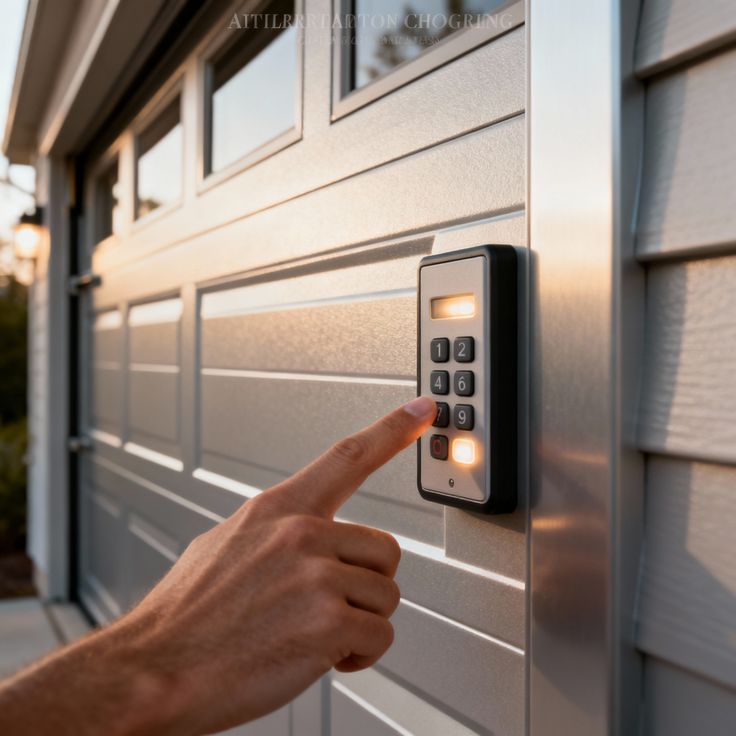
A blinking LiftMaster keypad can be frustrating, especially when trying to get inside during a summer storm in High Springs. That flashing light is not random. It’s the garage door opener’s way of signaling that something needs attention.
In Florida’s heat, humidity, and frequent thunderstorms, garage door systems work harder than most homeowners realize. Moisture, power surges, and temperature swings can all affect electronic components like a wireless garage door keypad. In some cases, unresolved electrical or mechanical issues may even require emergency garage door repair to restore safe operation.
This guide explains:
- Why is a LiftMaster keypad blinking
- What it usually means
- What can be safely checked
- When professional garage door service or emergency garage door repair is recommended
The goal is to help homeowners understand the issue clearlywithout taking unnecessary risks.
Quick Answer:
A LiftMaster keypad usually blinks because of a low battery, lost programming, lock mode activation, signal interference, safety sensor problems, internal keypad damage, or an opener logic board issue.
In High Springs, FL, humidity and lightning-related power surges are two of the most common contributing factors.
For a deeper troubleshooting checklist, read “LiftMaster Keypad Not Working? What to Check First.”
The 7 Most Common Reasons a LiftMaster Keypad Is Blinking
1. Low or Dying Keypad Battery (Most Common Cause)
A weak battery is the number one reason a LiftMaster keypad starts flashing.
What’s Happening
Wireless keypads rely on small alkaline batteries. Over time, the battery loses power. When the voltage drops too low, the keypad may:
- Blink repeatedly
- Respond slowly
- Fail to send a strong signal to the garage door opener
Florida heat accelerates battery drain. High outdoor temperatures and direct sunlight can shorten battery life significantly.
What to Check
- Remove the keypad cover
- Look for corrosion around battery terminals
- Check if the battery feels warm or swollen
If the battery has not been replaced in the past year, replacement is recommended.
Prevention Tip
Replace keypad batteries once per year, ideally before hurricane season begins in Florida. This prevents surprise failures during storms or power outages.
For step-by-step guidance on restoring proper function, see “How Do You Reset a LiftMaster Keypad?”
2. The Keypad Lost Programming
Another common issue is lost communication between the keypad and the garage door opener.
Why It Happens
Programming can reset due to:
- Power surges during thunderstorms
- A tripped breaker
- Opener reset after an outage
- Backup battery failure inside the opener
High Springs experiences frequent lightning storms, and power fluctuations are common. Even small surges can disrupt opener memory.
Signs of Programming Loss
- Keypad blinks after entering the correct code
- The door does not move
- Opener light flashes, but nothing happens
What to Check
- Confirm recent power outages
- Check whether other remotes are working
- Observe blinking light patterns on the opener motor
Reprogramming may be required. However, repeated failed attempts suggest a deeper issue within the garage door opener system.
For a more detailed breakdown of possible causes, read “Why Won’t My LiftMaster Keypad Open the Door?”
3. Lock Mode Is Activated on the Wall Control
Lock mode disables remote access to prevent unauthorized entry. When activated, the wall button works, but remotes and keypads do not.
Common Scenario
A homeowner accidentally presses the lock button on the wall control panel. The keypad then blinks, but the garage door does not respond.
Signs of Lock Mode
- Keypad flashes
- The wall button opens and closes the door normally
- Remotes also stop working
What to Check
Inspect the wall-mounted control inside the garage. Many LiftMaster wall controls have a small LED light indicating lock mode.
Lock mode confusion is one of the most common service calls in residential garage door systems.
4. Signal Interference or Weak Wireless Connection
LiftMaster wireless keypads rely on radio frequency signals. Interference can weaken or block that signal.
Causes of Signal Problems
- LED light bulbs near the opener
- Metal buildings or detached garages
- WiFi overlap
- Storm-related electrical disturbances
In rural areas around High Springs, metal barns and detached structures can reduce signal strength.
What to Check
- Ensure the opener antenna hangs straight down
- Avoid coiling or bending the antenna wire
- Test the keypad from a closer distance
If the keypad works up close but not from its mounted position, signal strength may be the issue.
5. Safety Sensor Issues
Garage door safety sensors prevent the door from closing on people or objects. When sensors are misaligned or obstructed, the opener may refuse to operate.
How Sensors Cause Blinking
If safety sensors are not aligned, the opener may:
- Flash its lights
- Reverse the door
- Ignore keypad commands
Humidity in Florida can cause condensation on sensor lenses. Spider webs and debris are also common in garage environments.
What to Check
- Inspect both photo-eye sensors near the bottom of the tracks
- Ensure lenses are clean
- Confirm indicator lights are steady, not blinking
Safety sensors should never be bypassed. They are critical safety components of the garage door system.
6. Keypad Is Failing Internally
Outdoor keypads are exposed to weather year-round. In High Springs, heavy rain and UV exposure can wear down plastic housings and internal circuits.
Signs of Weather Damage
- Cracked or faded keypad cover
- Sticky buttons
- Random blinking
- Numbers worn off
Moisture intrusion is especially common in humid climates. Even small amounts of water can damage internal circuit boards.
Average Cost Insight
Replacing a wireless garage door keypad is typically considered a moderate investment compared to major garage door repairs. Exact costs depend on model compatibility and installation requirements.
If the keypad is more than 8–10 years old, replacement is often more practical than repair.
7. Garage Door Opener Logic Board Issue
When multiple devices stop working, the issue may be inside the opener itself.
Possible Causes
- Lightning strike damage
- Electrical surge
- Aging circuit board
- Internal wiring fault
In Florida, surge damage is a leading cause of opener failure.
Warning Signs
- Keypad and remotes both fail
- Opener lights blink in specific patterns
- Motor hums, but the door does not move
- Burning smell from the opener housing
Logic board issues require professional diagnosis. Internal components operate under electrical load and should not be handled without proper tools and experience.
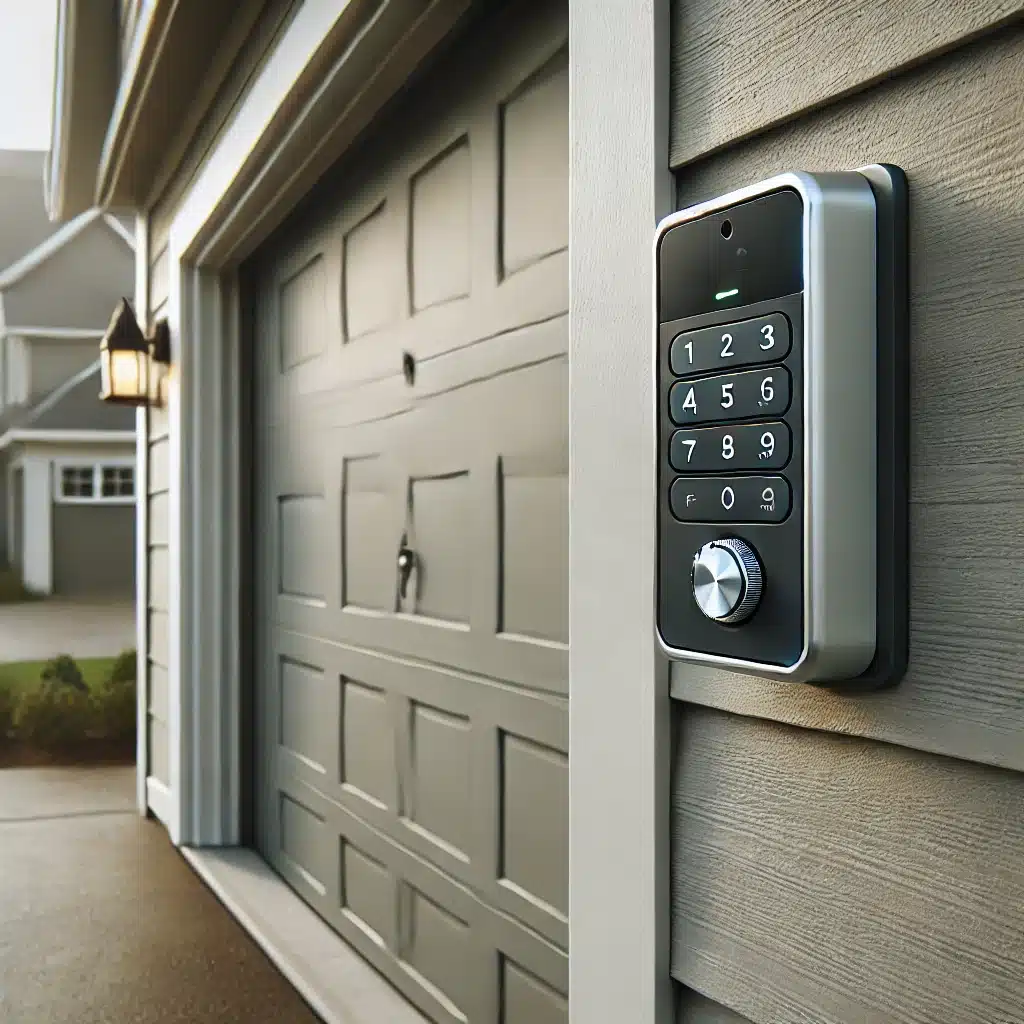
What to Check Before Scheduling Garage Door Service in High Springs, FL
Before contacting a technician, safely review the following:
- Replace the keypad battery
- Confirm lock mode is off
- Inspect safety sensors
- Check for visible keypad damage
- Confirm the opener has power
- Test the wall control button
If the garage door feels unusually heavy, stops halfway, or makes a loud snapping sound, stop immediately. Those symptoms may indicate spring or cable issues, which are high-tension components.
How to Prevent LiftMaster Keypad Problems in Florida’s Climate
Preventive maintenance reduces emergency service calls and extends system lifespan.
Schedule Annual Garage Door Maintenance
A professional inspection typically includes:
- Spring tension testing
- Cable inspection
- Opener force adjustment
- Safety sensor alignment
- Lubrication of moving parts
- Electrical component evaluation
- Inspection of door sections for cracks, dents, or damage that may require garage door panel repair
Humidity in High Springs increases corrosion risk. Annual maintenance helps protect metal components, door panels, and sensitive electronics from premature wear.
Install Surge Protection
Surge protection devices shield the garage door opener from lightning-related voltage spikes. Given Florida’s storm frequency, surge protection is highly recommended.
Replace Batteries Before Failure
Waiting until batteries die completely can cause programming loss. Annual replacement is a simple preventive step that helps maintain consistent keypad performance.
Inspect Keypad Housing Regularly
Check for:
- Cracks
- Loose seals
- Faded or brittle plastic
Replacing weathered housings prevents moisture intrusion and extends the life of the keypad system. If exterior damage is severe or the entire system is outdated, a professional evaluation for garage door installation may be worth considering, especially for older homes in High Springs.
Keep Sensors Clean and Aligned
Dust, pollen, and insects are common in Florida garages. Gently cleaning sensors reduces malfunction risk and helps maintain safe, reliable garage door operation year-round.
When Professional Garage Door Service Is Recommended
Professional evaluation is advised if:
- Reprogramming attempts fail repeatedly
- Multiple remotes stop working
- The door reverses unexpectedly
- A burning odor is present
- Blinking continues after battery replacement
- Cables appear loose, frayed, or uneven and may require garage door cable replacements
Garage doors are the largest moving systems in most homes. High-tension springs, cables under extreme pressure, and electrical components present serious safety risks when handled improperly.
When a Small Warning Light Signals a Bigger Issue
A blinking LiftMaster keypad is a diagnostic signal, not a random malfunction. In High Springs, FL, weather conditions like humidity, heat, and lightning storms frequently contribute to garage door opener issues.
Addressing minor concerns early prevents larger mechanical failures. Regular garage door maintenance, surge protection, and battery replacement significantly reduce unexpected problems.
When blinking continues despite basic checks, professional garage door service ensures safe and accurate diagnosis. Protecting the garage door system helps maintain reliable access, home security, and long-term equipment performance.
Local Garage Door Professionals You Can Count On
For homeowners in High Springs and surrounding areas, Alachua Door Company provides trusted garage door opener diagnostics, keypad troubleshooting, and complete system inspections backed by years of hands-on industry experience. Prompt, professional service helps prevent small warning signs from turning into costly repairs. Contact us today or give us a call to schedule an inspection and restore safe, dependable garage door operation.
Frequently Asked Questions
Does a blinking keypad mean the garage door opener is broken?
Not usually. In most cases, the issue is minor, such as battery failure or signal interference, rather than a full opener malfunction.
How long should a LiftMaster keypad battery last?
In Florida’s climate, expect about 12 months. Heat and humidity can shorten battery life compared to cooler regions.
Can a power outage cause the keypad to blink?
Yes. Power outages and lightning-related surges can reset programming or affect the opener’s internal memory.
Why does the keypad blink after entering the correct code?
This typically indicates a lost programming or a communication failure between the keypad and the garage door opener.
Can humidity in High Springs, FL, affect the keypad?
Yes. Moisture can cause corrosion inside the keypad and interfere with wireless signal transmission.
Should the keypad be replaced if it keeps blinking?
If battery replacement and reprogramming do not solve the issue, internal wear or weather damage may require replacement.
Is it safe to keep using the keypad if it’s blinking?
If the door operates normally, it may be safe temporarily. However, ongoing blinking suggests an issue that should be addressed promptly.
Can safety sensors cause the keypad to blink?
Yes. If sensors are misaligned or blocked, the opener may refuse commands, which can appear as a keypad malfunction.
When should professional garage door service be scheduled?
Professional inspection is recommended if blinking continues after battery replacement, multiple remotes fail, or electrical issues are suspected. For broader insight into garage door opener malfunctions and technical glitches, visit Alibaba.


