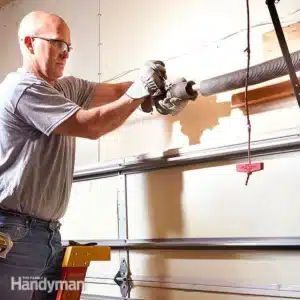
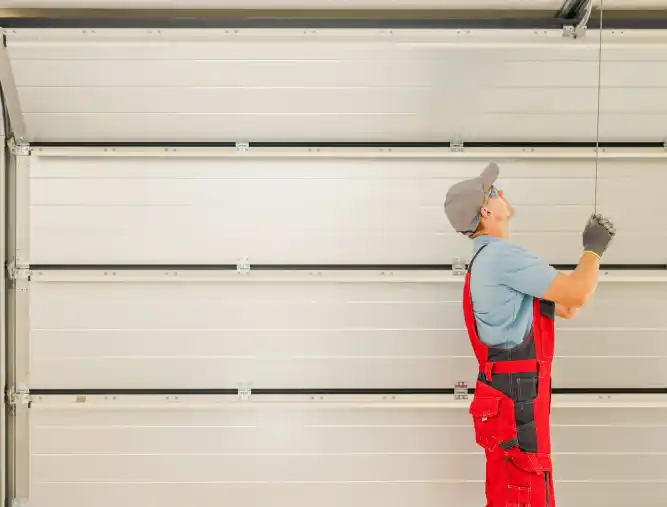
Garage doors operate many times each day, so their moving parts gradually wear down, and homeowners may not notice right away. Understanding how often maintenance should be performed helps reduce unexpected breakdowns and prevent situations that may eventually require emergency garage door repair.
Following a consistent garage door maintenance checklist allows homeowners to monitor signs of wear, maintain system performance, and address small issues before they become larger problems. When routine garage door maintenance is performed regularly, the entire garage door system can continue operating smoothly throughout the year.
Why Do Homeowners Follow a Garage Door Maintenance Checklist?
Because a garage door system operates under daily mechanical strain, homeowners often monitor routine conditions that can gradually affect performance, which is why regular observation helps identify early changes before they develop into larger garage door issues.
Common reasons homeowners keep track of their garage door system include:
- Frequent opening and closing of doors and windows puts repeated stress on springs and other moving parts.
- Moisture and humidity may cause rust on metal hardware over time.
- Hinges, rollers, and brackets may loosen from vibration during heavy use.
- Lubrication may wear down and increase friction between components.
- Minor issues may appear gradually and go unnoticed during everyday operation.
To understand how these mechanical changes affect performance, read our guide on Garage Door Maintenance Checklist Homeowners Can Follow, which explains how homeowners recognize early warning signs during routine inspections.
How Often Should You Perform Routine Garage Door Maintenance?
Monthly Visual Garage Door Inspection
Monthly observation helps homeowners notice gradual operational changes early, allowing small mechanical shifts to be identified before they develop into larger garage door issues.
During a routine visual inspection, homeowners often notice patterns such as:
- Uneven movement appears while the door travels along the tracks.
- Grinding or squeaking sounds developing from rollers or hinges.
- Surface rust forms on metal components exposed to humidity.
- Loose brackets or fasteners are shifting slightly from repeated vibration.
- Debris, pests, or obstruction appear along the door’s path near the floor.
Clopay emphasizes that regular garage door inspections help identify early signs of wear, maintain smoother door operation, and extend the lifespan of the garage door system by addressing minor issues early.
Quarterly Garage Door Safety Check for Moving Parts
Seasonal inspections focus on mechanical components that carry weight and tension during daily operation, helping homeowners monitor gradual wear that may affect how smoothly the garage door system moves over time.
Several conditions often appear during a quarterly safety check:
- Springs are showing stretching or corrosion from repeated lifting cycles.
- Rollers are developing rough edges, increasing friction along the tracks.
- Hinges loosening slightly from the vibration created during heavy use.
- Safety sensors positioned near the floor are becoming misaligned or obstructed.
- Mounting brackets are shifting gradually due to ongoing mechanical strain.
Quarterly inspections help detect developing mechanical wear, reduce strain on the garage door system, and address small hardware changes early before they progress into larger operational problems.
Biannual Garage Door Tune-Up for System Performance
A scheduled garage door tune-up allows technicians to evaluate mechanical balance and system performance after months of regular operation, helping them identify wear that may affect how the garage door operates.
Typical conditions evaluated during a biannual tune-up include:
- Changes in the tension of the springs affect the lifting balance.
- Roller wear creates additional resistance along the tracks.
- Decreased lubrication levels increase friction between moving parts.
- Opener performance is slowing due to added mechanical strain.
- Hardware, such as hinges or roller brackets, is loosening due to vibration.
According to Clopay, professional garage door tune-ups help detect worn components, adjust the mechanical balance, and maintain smoother system performance, while extending the lifespan of the garage door.
Annual Professional Garage Door Inspection
An annual garage door inspection evaluates structural components, mechanical systems, and door alignment, helping identify wear that may affect how the garage door system performs over time.
During a professional inspection, technicians typically evaluate areas such as:
- Spring condition and structural fatigue after repeated lifting cycles.
- Track alignment and door balance affect smooth travel.
- Opener response and sensor communication during closing cycles.
- Structural integrity of brackets, hinges, and mounting hardware.
- Weather exposure effects, such as rust or moisture damage.
Annual inspections often reveal worn lifting cables or uneven tension, and visible fraying or strain may signal the need for garage door cable replacement to restore balanced door operation.
Factors That May Affect How Often Garage Doors Need Maintenance
Maintenance schedules can vary because several environmental and mechanical conditions gradually influence how often a garage door system requires attention.
Common factors that affect maintenance frequency include:
- Frequent daily use increases strain on springs, rollers, and other moving parts, accelerating overall mechanical wear.
- Humidity and moisture in Gainesville, FL, may contribute to rust and reduced lubrication efficiency on metal hardware.
- Aging garage door systems often experience gradual wear on hinges, brackets, and rollers over the years of operation.
- Heavier insulated doors place additional tension on springs and the opener during lifting cycles.
- Small alignment shifts or loose hardware may gradually affect how smoothly the door travels along the tracks.
Conditions like these often determine how frequently homeowners follow a garage door maintenance checklist and schedule routine inspections.
Signs That Your Garage Door May Need Maintenance Sooner
Certain operational changes may indicate that a garage door requires maintenance earlier than the usual inspection schedule.
Common signs that maintenance may be needed sooner include:
- Unusual noises such as grinding, rattling, or squeaking while the door opens or closes.
- Uneven door movement or jerky travel along the tracks during operation.
- Visible signs of wear on springs, rollers, hinges, or brackets.
- Slower response from the garage door opener when activating the door.
- The door stops unexpectedly or reverses during closing cycles.
To explore early warning signals homeowners often notice, read our guide on Common Signs Your Garage Door Needs Maintenance, which explains indicators that may appear before larger garage door problems develop.
What Can Happen If Garage Door Maintenance Is Delayed
Delaying routine garage door maintenance can allow small mechanical changes to progress into larger system problems that affect daily operation.
Problems that may develop when maintenance is delayed include:
- Increased strain on springs, rollers, and other moving parts as friction builds during repeated door cycles.
- Gradual misalignment that causes uneven door movement along the tracks.
- Worn hardware or loose brackets that affect how smoothly the door opens and closes.
- Reduced opener performance as the motor compensates for added mechanical resistance.
- Minor issues can progress into costly repairs when worn components continue to operate under stress.
To learn how skipped maintenance can lead to mechanical strain and system failures, read our guide on What Happens If You Skip Garage Door Maintenance?, which explains how neglected upkeep can affect long-term garage door performance.
When Professional Garage Door Maintenance Is Recommended
Certain conditions may indicate that professional garage door maintenance is necessary to evaluate system performance and prevent mechanical issues.
Situations where professional service is commonly recommended include:
- Unusual noises such as grinding, squeaking, or rattling during door operation.
- Uneven door movement or delayed lifting cycles that affect normal travel.
- Visible signs of wear, such as rust, loose hardware, or damaged hinges and rollers.
- The garage door opener stops unexpectedly during opening or closing cycles.
Persistent noise or rough door travel often indicates worn rollers, and technicians commonly address these issues through garage door roller replacements to restore smoother movement.
How Regular Garage Door Maintenance Protects Long-Term Door Performance
Routine garage door maintenance helps reduce mechanical strain and keeps the garage door system operating smoothly over time.
Long-term performance benefits of regular maintenance include:
- Reduced friction between rollers, hinges, and other moving parts through proper lubrication.
- Early detection of loose hardware or alignment changes that may affect door movement.
- Improved opener performance by maintaining balanced lifting and smoother door cycles.
- Extended lifespan of springs, rollers, and other components that experience daily mechanical stress.
Consistent maintenance helps extend the system’s lifespan, though severe structural wear may eventually prompt homeowners to consider garage door installation as performance declines.
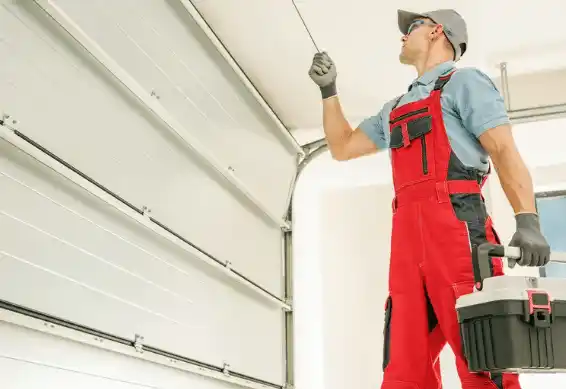
Maintaining Your Garage Door System Throughout the Year
Regular garage door maintenance helps homeowners monitor signs of wear and keep the garage door system operating smoothly throughout the year. Following a consistent garage door maintenance checklist helps prevent minor issues from becoming major mechanical problems.
Alachua Door Company provides professional garage door service for homeowners in Gainesville, FL, who want to maintain reliable door performance. If your garage door needs inspection or routine maintenance, contact us or give us a call today to schedule service for your home.
Frequently Asked Questions
Is garage door maintenance necessary for new garage doors?
Yes. New garage doors still undergo daily mechanical movement, which gradually affects components such as springs, rollers, and hinges. Routine inspections help ensure the garage door system continues operating smoothly as the hardware settles after installation.
Can seasonal weather affect garage door performance?
Yes. Humidity, moisture, and temperature changes can affect metal components and lubrication inside the garage door system. Weather exposure may also contribute to rust, friction, or gradual alignment changes over time.
Do garage door openers also require regular maintenance?
Yes. Garage door openers coordinate movement between the motor, drive system, and door panels during operation. Periodic inspections help ensure the opener continues responding correctly and maintains proper communication with sensors.
What parts of a garage door wear out the fastest?
Springs, rollers, hinges, and cables usually wear out first because they handle the most mechanical movement during daily operation. Repeated opening and closing cycles place constant strain on these components.
Does garage door maintenance improve home safety?
Yes. Routine maintenance helps identify worn hardware, loose components, or misalignment that may affect door movement. Addressing these conditions early helps reduce the risk of accidents or property damage during operation.
Can garage door maintenance extend the life of springs?
Yes. Periodic inspections help detect signs of wear, corrosion, or changes in tension before spring failure occurs. Maintaining balanced operation helps reduce stress on garage door springs.
How do homeowners know when professional service is needed?
Homeowners may notice unusual noises, uneven door movement, or visible wear on hardware during normal operation. Many homeowners searching for garage door maintenance near me often schedule inspections when these changes appear.
Does garage door maintenance help prevent sudden breakdowns?
Yes. Regular garage door maintenance allows technicians to identify developing mechanical issues before they worsen. Addressing small problems early helps reduce the risk of unexpected garage door failures during daily operation.
Is annual garage door service recommended even if there are no problems?
Yes. Annual inspections allow professionals to evaluate system condition and detect gradual mechanical wear. Preventive maintenance helps keep the garage door system operating efficiently even when no visible issues are present.