A consistent garage door maintenance checklist helps homeowners in Gainesville, FL keep their garage door system operating smoothly and identify small problems before they become serious. Regular inspections can also reduce the risk of sudden breakdowns that may require emergency garage door repair.
Because a garage door has many moving parts that operate under daily use, routine maintenance is important for preventing wear and mechanical issues. Following a simple checklist helps homeowners identify early warning signs and maintain dependable performance throughout the year.
Why Should Homeowners Follow a Garage Door Maintenance Routine?
Regular maintenance helps homeowners monitor their garage door system, as daily use puts stress on moving parts and subtle changes in movement or sound can signal developing problems that may lead to costly repairs.
Homeowners follow a maintenance routine because it helps:
- Detect minor issues before they become major garage door problems.
- Reduce strain on rollers, hinges, and other hardware affected by daily operation.
- Prevent problems caused by loose hardware or gradual misalignment.
- Keep the garage door opener functioning smoothly during opening and closing.
- Maintain the door’s performance and support a longer overall lifespan.
To understand the early warning signs homeowners often notice during everyday use, read our guide on Common Signs Your Garage Door Needs Maintenance, which explains the most visible indicators that routine care may be needed.
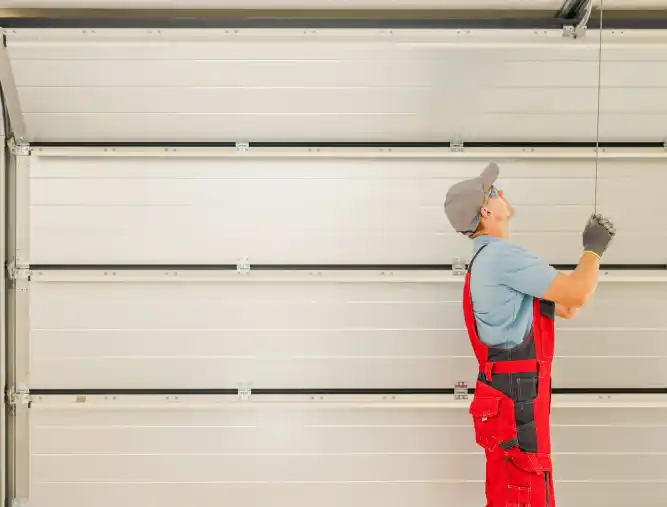
Complete Garage Door Maintenance Checklist for Homeowners
Inspect Garage Door Panels for Damage or Warping
Visual checks of door panels help homeowners detect structural problems early because dents, moisture exposure, or shifting alignment can affect how the garage door moves along its track.
Pay attention to conditions such as:
- Dents forming along panel surfaces that affect door alignment.
- Rust spots are developing near seams or hardware connections.
- Moisture damage appears along wooden or insulated sections.
- Warped panels are causing uneven door movement.
- Visible gaps forming between door sections during closing.
Persistent dents, moisture warping, or separation between door sections can affect panel alignment, and technicians may recommend garage door panel repair to restore structural stability before movement becomes uneven.
Check the Condition of Rollers and Hinges
Rollers and hinges guide the door during movement, so regular checks help homeowners detect friction or hardware wear that could interfere with the smooth operation of an overhead door.
Important observations include:
- Rollers showing cracks, flattening, or visible wear.
- Hinges are producing squeaking sounds during door movement.
- Metal hardware showing rust buildup around pivot points.
- Roller brackets appear loose or slightly bent.
- Movement along the track feels rough instead of smooth.
Regular hardware checks help prevent excessive friction and wear, and Clopay explains that springs, cables, and other garage door components eventually wear out and should be inspected periodically to keep the door operating efficiently.
Test the Garage Door Balance and Manual Operation
Balanced movement allows the door to operate efficiently, and irregular motion may indicate shifting weight distribution or spring tension problems within the garage door system.
Signs of imbalance may include:
- Door drifting downward when opened halfway manually.
- Movement requires noticeable extra effort when lifting.
- Uneven travel along the track during operation.
- Loud strain noises coming from spring systems.
- The door stops abruptly before reaching the fully open position.
Spring systems operate under extreme tension, and adjustments involving torsion springs typically require professional service to prevent mechanical failure or possible injury.
Examine Tracks for Alignment and Debris
Tracks guide the door along its entire path, and even small debris buildup or slight alignment shifts can create friction that interferes with smooth, consistent garage door movement.
Check the following areas carefully:
- Leaves or dirt are collecting along the track channels.
- Bent track sections affecting door alignment.
- Hardware bolts are loosening from repeated vibration.
- Small obstructions are blocking the door’s path.
- Evidence of pests nesting inside track corners.
Track alignment supports stable door movement, and keeping tracks clean and properly positioned helps reduce unnecessary strain on the garage door system and its moving components.
Perform a Garage Door Safety Check on Auto-Reverse Sensors
Auto-reverse sensors help prevent accidents by detecting objects in the door’s path and signaling the system to stop or reverse movement before contact occurs during normal garage door operation.
Sensor verification may include:
- Sensor lights are failing to stay steady during operation.
- Dust or debris covering the sensor lenses.
- Sensor brackets are shifting out of alignment near the floor.
- The door failed to reverse after touching a test object.
- Objects unintentionally block the sensor beam.
Regular sensor checks help ensure the reversing system detects objects in the door’s path and responds correctly, reducing the risk of injury or property damage during garage door operation.
Lubricate Moving Parts During Routine Garage Door Maintenance
Reducing friction between moving components helps preserve the garage door system’s mechanical health and supports smoother, quieter operation during everyday opening and closing cycles.
Areas that benefit from proper lubrication include:
- Roller bearings are rotating along the track.
- Hinges connecting door sections together.
- Spring coils are experiencing repeated tension cycles.
- Metal brackets supporting door movement.
- Pivot points are experiencing regular mechanical friction.
Friction naturally builds between moving garage door components over time, which is why Clopay recommends periodic lubrication of hinges, rollers, springs, and bearing plates to maintain smoother operation and reduce long-term wear.
Inspect Garage Door Springs and Cables Carefully
Springs and cables control the lifting force of the door, and visible wear or damage may indicate developing mechanical strain that could affect how the garage door system operates during opening and closing cycles.
Careful inspection may reveal:
- Frayed cable strands are forming near pulley systems.
- Gaps appear in tightly wound spring coils.
- Rust accumulation is affecting spring flexibility.
- Uneven tension is affecting the door movement.
- Loud snapping or popping sounds during operation.
When the lifting force becomes uneven or the cables show signs of fraying, garage door spring repair is often the service technicians use to restore proper counterbalance and stable door movement.
Check Weather Seals and Bottom Rubber
Weather seals protect the interior of the garage from moisture, debris, and pests entering through gaps along the door frame, helping maintain better protection against outdoor elements.
Inspect seals for the following conditions:
- Cracks are forming along the rubber bottom seal.
- Gaps allowing water to enter under the door.
- Seal material is becoming brittle or flattened.
- Evidence of pests entering beneath the door.
- Moisture damage is affecting seal flexibility.
Well-maintained seals help protect the garage interior from moisture and debris while supporting proper contact between the door and the floor during closing, helping maintain consistent door performance.
Test the Garage Door Opener Response
The garage door opener controls automated door movement, and inconsistent responses may indicate developing electrical or mechanical issues that could affect normal operation.
Operational checks may include:
- The remote control is failing to consistently trigger the opener.
- Delayed door movement after pressing the opener button.
- Grinding sounds are coming from the motor housing.
- Intermittent stopping during opening or closing.
- Lights flashing on the opener control unit.
Consistent opener response indicates stable communication among sensors, motor components, and remote controls, helping maintain smooth, reliable garage door operation.
Complete a Final Garage Door Inspection Before Closing the Door
A final inspection helps confirm that all visible components remain secure and functioning normally after completing the maintenance checklist, allowing homeowners to verify that the door operates smoothly.
Last checks may include:
- Looking for loose bolts along hardware brackets.
- Confirming smooth travel across the track system.
- Listening for unusual sounds during movement.
- Checking sensors and opener response again.
- Observing the door during one full open and close cycle.
Completing a final inspection helps ensure the entire garage door maintenance checklist has been reviewed and that key components are functioning properly before returning the system to normal daily operation.
Why Skipping Routine Garage Door Maintenance Can Lead to Bigger Problems
Skipping routine garage door maintenance allows small mechanical changes to go unnoticed, increasing the likelihood that minor wear will gradually affect the system’s operation.
Problems become more serious because:
- Friction builds up in moving parts, increasing wear on rollers, hinges, and brackets over time.
- Loose hardware spreads vibration through the system, eventually affecting track alignment and door stability.
- Spring tension changes slowly, placing uneven stress on torsion springs and lifting components.
- Sensor performance declines, making the system less responsive to objects in the door’s path.
- Small mechanical issues expand, turning simple adjustments into costly repairs.
To see how neglected upkeep can gradually create larger mechanical failures, read our guide on What Happens If You Skip Garage Door Maintenance?, which explains how overlooked maintenance leads to long-term garage door problems.
How Often Should You Perform a Garage Door Tune-Up?
Regular garage door maintenance works best when checks follow a consistent schedule that helps homeowners monitor wear, performance changes, and developing mechanical strain.
Recommended tune-up intervals include:
- Monthly visual checks to watch for unusual noises, loose hardware, or movement changes during opening and closing.
- Seasonal inspections to clean tracks, check weather seals, and look for moisture or rust caused by shifting weather conditions.
- Lubrication every few months to reduce friction in hinges, rollers, and other moving parts.
- Annual professional service to inspect spring tension, opener performance, and overall system balance.
- Additional inspections after heavy use or storms, especially if the door experiences sudden changes in movement.
To learn how maintenance timing helps prevent mechanical strain and supports consistent system performance, read our guide on How Often Should You Maintain a Garage Door?, which outlines recommended maintenance schedules for homeowners.
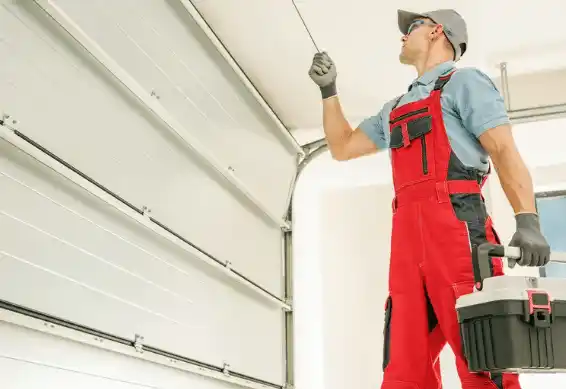
Tips to Prevent Garage Door Maintenance Problems
Preventive habits help homeowners reduce garage door issues and keep the system operating smoothly by addressing small concerns before they affect daily performance.
Helpful prevention practices include:
- Keep tracks and surrounding areas clean, removing debris, pests, or objects that could block the door’s path.
- Listen for unusual noises, such as grinding or squeaking, which often signal developing friction or loose hardware.
- Check visible hardware periodically and tighten bolts and brackets that may loosen due to vibration.
- Lubricate moving components regularly, including rollers, hinges, and pivot points, to reduce wear.
- Schedule routine inspections, especially if the door experiences heavy use throughout the year.
Following simple preventive steps helps reduce strain on the garage door system and lowers the chances of unexpected maintenance problems over time.
When a Garage Door Maintenance Checklist Isn’t Enough
A routine garage door maintenance checklist helps detect common wear, but certain conditions may signal mechanical problems that require professional inspection.
Situations that often require professional attention include:
- Spring or cable damage, especially when torsion springs show gaps, rust, or uneven tension.
- Severe track misalignment, which can cause unstable movement or an uneven door during operation.
- Repeated opener malfunctions, including intermittent stopping or failure to respond to controls.
- Structural damage to panels or hardware, particularly after impact or prolonged heavy use.
Situations involving severe hardware damage or repeated system failure may require garage door installation when repairs can no longer restore reliable door operation.
Follow a Garage Door Maintenance Checklist to Keep Your System Running Smoothly
Regular inspections help homeowners spot early signs of wear and maintain consistent performance across the entire garage door system. Following a structured garage door maintenance checklist allows small issues to be identified early before they develop into larger mechanical problems.
Alachua Door Company proudly provides professional garage door service for homeowners throughout Gainesville, FL. If your garage door shows signs of wear or needs a professional inspection, contact us or give us a call today to schedule expert service and keep your system operating smoothly.
Frequently Asked Questions
How often should I perform a garage door inspection to maintain safety and function?
Most homeowners should perform a basic inspection once a month. Regular checks help detect early wear, loose hardware, or alignment changes that could affect the performance of the garage door system.
What are the most important things to check during a garage door inspection?
Focus on the rollers, hinges, springs, tracks, and safety sensors. Observing how the door moves during operation also helps identify unusual sounds, imbalance, or signs of mechanical strain.
Can you give me a simple checklist for a DIY garage door inspection?
Yes. Start by checking visible hardware, watching the door move through a full cycle, and inspecting the tracks and rollers for debris or wear. Listening for unusual sounds and verifying sensor function can also help reveal early garage door issues.
Which garage door parts are most likely to wear out and should be inspected regularly?
Rollers, springs, cables, hinges, and opener components experience the most movement and mechanical stress. Regular inspection helps identify early signs of wear that could eventually affect door balance or lifting performance.
How can I tell whether my garage door needs professional maintenance rather than a basic inspection?
Signs such as uneven door movement, loud mechanical noises, or repeated opener malfunctions often indicate the need for professional service. Homeowners searching for garage door maintenance near me often schedule a professional inspection when routine checks reveal persistent system problems.
Are there specific safety tips I should keep in mind when inspecting my garage door?
Yes. Maintain a safe distance while the door is moving and avoid touching springs or cables during inspection. Springs operate under high tension and should only be adjusted by trained professionals.
What signs of damage should I look for in garage door springs and cables during inspection?
Look for frayed cables, rust on spring coils, gaps in torsion springs, or loud snapping sounds during operation. These warning signs may indicate weakening components that require immediate professional attention.
Is there a difference between inspecting a residential and a commercial garage door?
Yes. Commercial doors typically experience heavier use and larger weight loads than residential systems. As a result, commercial garage doors often require more frequent inspections and professional service.
How do I lubricate garage door components properly after an inspection?
Apply a small amount of garage door lubricant to rollers, hinges, and spring coils to reduce friction. Avoid lubricating the tracks directly, as excess lubricant can cause rollers to slip rather than move smoothly.