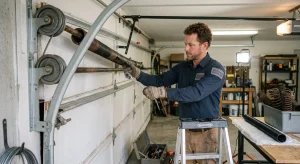

Garage door rollers may be small components, but they play a major role in how smoothly a garage door moves along its tracks. As these parts experience regular use, wear can gradually affect door performance and overall movement quality.
- Garage door rollers guide the door during opening and closing cycles
- Ongoing use can cause rollers to wear down over time
- Worn rollers often lead to noisy or uneven door movement
- Replacing rollers helps restore smoother and more controlled operation
- New rollers support consistent movement across the entire track system
- Roller design influences how quietly and smoothly the door travels
- Proper roller condition contributes to reliable overall door performance
Understanding how garage door roller replacements affect door movement helps highlight why these components matter. Keeping rollers in good condition supports steady operation and helps maintain smooth, predictable garage door movement over time.
How Garage Door Roller Replacement Influences Door Motion
Replacing garage door rollers often leads to an immediate improvement in how the door moves along the tracks. Worn rollers can create friction, causing rough movement, added strain on the system, and noticeable grinding noises during operation. Installing new rollers helps reduce resistance, allowing the door to open and close more smoothly and with greater stability. Roller type also influences how quietly and evenly the door moves, shaping overall performance and movement consistency.
For a deeper look at timing and warning signs, see When Is Garage Door Roller Replacement Necessary?
Changes in Opening and Closing Flow
Garage door roller condition plays a major role in how smoothly a door opens and closes. As rollers wear down, friction increases, which can interrupt the natural flow of door movement.
- Worn rollers can cause dragging or uneven motion
- Increased friction slows down opening and closing cycles
- New rollers help the door follow a smoother movement path
- Motion becomes more controlled from start to finish
- Reduced resistance supports balanced system operation
When rollers move freely within the tracks, the garage door operates with a more consistent and predictable flow. This allows the door to move naturally without sudden stops or strain.
Stability of Movement Along the Track
Stable movement along the track is essential for proper garage door operation. Roller wear can lead to vibration or shifting that affects how securely the door travels.
- Loose or worn rollers may wobble inside the track
- Instability can cause shaking during movement
- New rollers stay aligned with the track path
- Improved alignment reduces rattling and side movement
- Steady rollers support smooth vertical travel
Consistent roller alignment helps the door remain stable throughout each movement cycle. This stability contributes to controlled motion and reliable track engagement.
Overall Smoothness Throughout Door Travel
The smoothness of garage door movement depends heavily on roller surface condition and bearing function. Over time, wear can increase resistance and interrupt fluid motion.
- Damaged rollers increase friction along the track
- Higher resistance leads to rough or uneven travel
- New rollers reduce contact resistance
- Bearings allow easier rotation during movement
- Lower friction improves overall glide performance
With reduced resistance and proper rotation, the garage door moves more evenly from beginning to end, including systems that have undergone Wayne Dalton TorqueMaster conversions. Smooth travel helps maintain consistent performance across repeated opening and closing cycles.
Effects of Roller Replacement on Track Interaction
The interaction between garage door rollers and the track plays a key role in overall door movement. Worn rollers can create excess friction, uneven motion, and added strain on the system due to poor track contact. Replacing old rollers improves how smoothly the rollers travel along the track, allowing the door to open and close with less resistance. Better roller-to-track contact supports steadier movement and helps maintain consistent performance over time.
For related warning indicators, explore Signs That Indicate Garage Door Roller Replacement.
Roller-to-Track Contact Consistency
Consistent contact between the roller and the track is essential for controlled garage door movement. When rollers wear down, uneven contact can cause shifting, scraping, or interruptions during operation.
- Worn rollers may sit improperly inside the track
- Uneven contact can cause the door to shift or hesitate
- New rollers maintain steady contact along the full track path
- Smooth rotation helps rollers follow track curves accurately
- Even contact distributes the door weight more evenly
Maintaining consistent roller-to-track contact allows the door to move predictably and stay properly aligned throughout each opening and closing cycle.
Reduction in Movement Resistance
Movement resistance increases when rollers deteriorate or no longer rotate freely. Excess friction can interrupt smooth motion and place added strain on the system during operation.
- Old rollers create drag as they move along the track
- Increased friction makes door movement feel heavier
- New rollers glide instead of scraping
- Reduced resistance allows easier upward and downward travel
- Smoother motion results in quieter operation
Lower resistance supports fluid door movement and helps the system operate with less effort across repeated cycles.
Improved Path Control During Operation
Path control ensures the garage door follows its intended track without drifting or shifting. Rollers play a central role in keeping door sections guided correctly as they move.
- Worn rollers can allow side movement or misdirection
- Poor guidance may cause scraping or uneven travel
- New rollers keep the door centered within the track
- Proper guidance supports smooth section-to-section movement
- Controlled tracking prevents sudden movement changes
Improved path control helps the garage door travel smoothly along its intended route, supporting steady movement and reliable operation every time the door is used, especially in situations where emergency garage door repair is required due to sudden movement issues.
Impact of New Rollers on Door Balance and Control
Replacing worn garage door rollers can noticeably improve how the door moves and feels during operation. Old rollers create added friction, making the door feel heavier and harder to control. New rollers reduce drag, allowing the door to move more freely and restoring proper balance throughout the system. With smoother roller movement, the garage door operates more evenly and maintains consistent performance over time.
To understand the underlying reasons behind roller wear, read What Causes the Need for Garage Door Roller Replacement.
Weight Distribution During Door Movement
Balanced weight distribution allows a garage door to move evenly as it opens and closes. Rollers play a key role in spreading the door’s weight along the track during movement.
- Worn rollers can cause uneven weight shifts
- Binding or sticking creates heavy and light movement points
- Uneven load places added stress on the system
- New rollers help distribute weight consistently
- Balanced movement supports steady door travel
When rollers move freely, the door maintains proper balance throughout its full range of motion. This helps the system operate smoothly without sudden resistance or strain.
Controlled Transition Between Door Sections
Sectional garage doors rely on rollers to guide panels through track curves. Smooth transitions depend on how well rollers rotate and stay aligned at hinge points.
- Worn rollers may struggle at track curves
- Poor rotation can cause jerking or hesitation
- New rollers rotate smoothly through curved sections
- Panels follow the track path more evenly
- Transitions feel controlled and fluid
Controlled section movement helps the door shift naturally from vertical to horizontal travel. This reduces disruption during operation and supports long-term system stability.
Predictable Motion Across the Full Cycle
Consistent garage door movement is a key sign of healthy roller performance. Worn rollers can cause unpredictable behavior that changes from one cycle to the next.
- Roller wear can lead to inconsistent movement
- Doors may hesitate, bind, or move unevenly
- New rollers maintain steady track contact
- Motion remains consistent during each cycle
- Predictable movement reduces unexpected strain
With stable roller performance, the garage door opens and closes the same way every time. This predictability supports smooth operation and dependable movement over repeated use, including situations that involve garage door cable replacements, where consistent door balance is essential.
Conditions That Shape Movement After Roller Replacement
Garage door roller replacement can improve door movement, but overall performance also depends on other system factors. Roller material and bearing design influence how smoothly and consistently the door travels along the track. Track condition and system alignment also affect movement, as rollers rely on properly functioning components to perform well. When all parts work together, the garage door operates with greater stability and smoother motion.
Roller Construction and Performance Characteristics
The construction of a garage door roller directly affects how smoothly and quietly the door moves. Material choice and bearing design influence durability, noise levels, and overall movement quality.
- Plastic rollers offer basic movement with limited durability
- Steel rollers provide strength but may produce more operational noise
- Nylon rollers combine durability with smoother, quieter movement
- Bearing quality affects how freely the roller rotates
- Roller design influences long-term movement consistency
Selecting rollers with suitable construction characteristics helps support stable, controlled door movement across repeated cycles.
Track Alignment and Surface Condition
Garage door rollers depend on properly aligned tracks to perform effectively. Even new rollers can struggle if the track surface or alignment interferes with smooth travel.
- Misaligned tracks can interrupt roller movement
- Bent or uneven track surfaces increase resistance
- Poor track condition can accelerate roller wear
- Clean, even tracks allow rollers to move predictably
- Proper alignment supports consistent door travel
When the track condition supports roller movement, the door follows a smoother and more reliable path during operation.
Interaction With Other Moving Door Components
Garage door rollers operate as part of a larger system that includes hinges, shafts, and the opener. The condition of these components affects how well the rollers guide door movement.
- Loose or worn hinges can disrupt roller alignment
- Inadequate shaft support may cause roller instability
- Irregular opener movement can stress rollers
- Poor component coordination increases movement strain
- Balanced system interaction supports smoother operation
When all moving components work together properly, rollers are able to guide the door with greater stability and consistent motion throughout each cycle.
How Garage Door Roller Replacement Improves Door Movement
Replacing garage door rollers can noticeably improve how smoothly and consistently the door moves. When rollers and tracks work together properly, the door opens and closes with greater stability and less effort. Track condition also plays an important role in overall movement, as proper alignment supports reliable operation over time.
For homeowners looking to better understand garage door performance and movement-related concerns, Alachua Door Company offers knowledgeable insight built on hands-on experience with a wide range of garage door systems. Our focus on proper operation and long-term reliability helps homeowners make informed decisions about door care. To learn more about garage door movement issues or discuss your specific concerns, contact us today or give us a call and take the next step toward smoother, more dependable door operation.
Frequently Asked Questions
How does roller wear affect garage door movement over time?
As rollers wear, friction increases, and bearings may stop rotating smoothly. This causes rough, noisy, and uneven garage door movement.
What movement issues can develop when worn rollers are not replaced?
Worn rollers can cause shaking, loud operation, uneven movement, and poor track guidance, making the door less stable during use.
How does replacing garage door rollers influence overall system movement longevity?
New rollers reduce friction and strain, allowing the door to move more smoothly and helping the system maintain consistent movement over time.
How do new garage door rollers influence movement consistency along the tracks?
New rollers fit properly in the tracks, reducing side-to-side motion and helping the door move evenly during each opening and closing cycle, as further explained by OreateAI.
Why does garage door movement sometimes feel uneven before roller replacement?
Uneven movement occurs when worn rollers create inconsistent friction, causing the door to stick in some areas and move freely in others.
How does roller replacement affect the way garage doors respond to opening and closing cycles?
Replacing rollers allows the door to respond more smoothly and predictably, reducing jerky motion and improving overall movement control.
What role do garage door rollers play in guiding door sections during movement?
Rollers guide each door section along the track, keeping panels aligned and allowing the door to move in a controlled, steady path.
Can roller replacement change how smoothly a garage door transitions between positions?
Yes, new rollers help the door move more smoothly through track curves, reducing jerking during transitions from vertical to horizontal travel.
How does garage door roller replacement impact movement stability over repeated use?
New rollers improve stability by reducing wobbling and maintaining consistent track contact through repeated opening and closing cycles, as outlined by Vocal Media.
Why does garage door movement often improve immediately after roller replacement?
Movement improves right away because new rollers reduce friction and rotate freely, allowing the door to glide smoothly along the track.