

Repair pricing depends on the failed part, spring type, door type, extent of damage, local labor rates, and the property’s wind-load requirements. Understanding each factor lets a homeowner read a quote with confidence and question any charge that does not fit the specific job.
Two repairs that look similar on the surface can cost very different amounts once labor time, replacement parts, and local requirements enter a quote for professional garage door repair. This guide explains what drives each factor and how that knowledge helps judge a repair quote before any work is approved.
Key Takeaways
- The failed part sets the baseline price for every other factor
- Spring type and door type change both parts and labor charges
- Extent of damage decides whether a repair or replacement fits the budget
- Local labor rates and technician time shape the visit total
- Wind-load requirements add reinforced parts to the final invoice
Factors That Change Garage Door Repair Pricing
Repair costs differ between similar jobs because six factors change the parts needed, the labor involved, or the requirements the work must meet.
| Factor | What It Changes | Effect on the Final Price |
| Failed part | The repair type and the parts required | Sets the base range from $100 to $900 across common repairs |
| Spring type | Torsion or extension parts and labor | Torsion systems generally cost more than extension setups |
| Door type | Panel construction, insulation, and weight | Heavier or insulated doors raise parts and labor charges |
| Extent of damage | The number of components needing work | Wider damage expands the scope of work and labor time |
| Local labor rates | Hourly technician charges | Higher market rates raise the total labor costs |
| Wind-load requirements | Reinforcement and compliance needs | Reinforced parts add to the cost of both parts and labor |
The failed part sets the starting point for each repair type, and the remaining factors decide how far the final price moves above or below it.
Failed Part
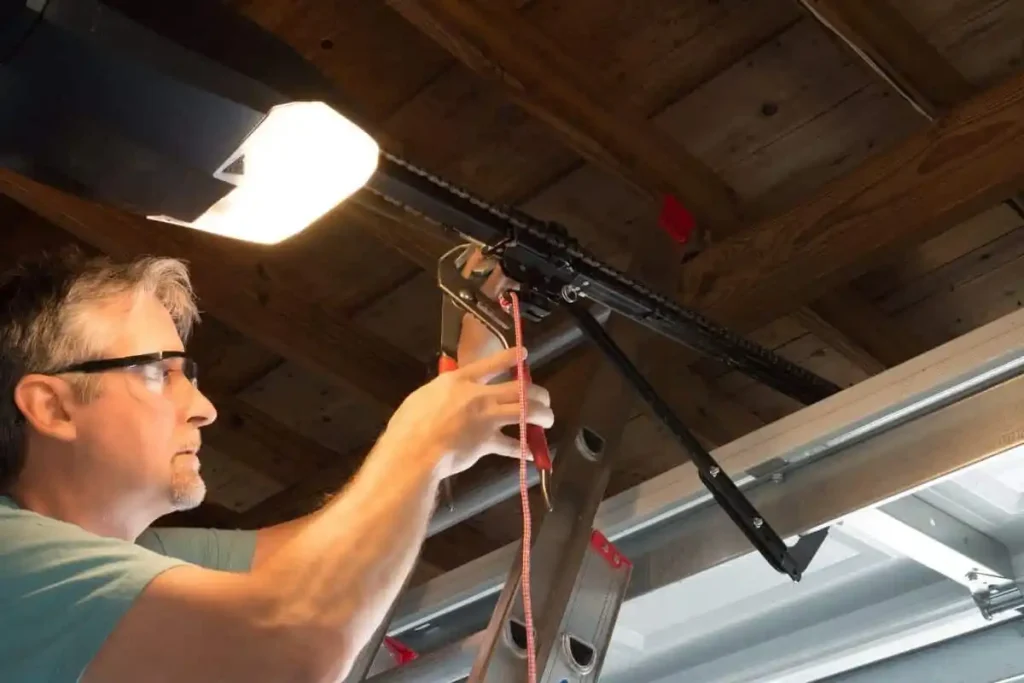
The failed part sets the baseline price because springs, openers, cables, tracks, sensors, and panels each carry different parts costs and labor demands.
Part choice moves the baseline price through:
- Spring replacements carry higher parts and labor charges than hardware fixes
- Opener repairs depend on whether the motor, circuit board, or gears failed
- Cable and chain work involves fewer parts and less technician time
- Sensor repairs usually fall among minor problems resolved in the first hour
- Single panels reach the top of the range due to material and finish
To gauge the typical price range for each repair type, read our guide on How Much Does Garage Door Repair Cost in Gainesville?, which covers the full range for springs, openers, cables, tracks, sensors, and panels.
Spring Type
Torsion and extension systems differ in design, tension, and installation effort, so spring type affects both the parts and the labor needed for a repair.
Spring selection affects the price through:
- Torsion systems using heavier hardware that costs more than extension setups
- Extension systems requiring safety cables and periodic adjustment
- Door weight determining the strength and size of the replacement springs
- Springs replaced as a set sharing a single labor charge
- Tension calibration after installation adding labor to either system
Confirming the installed spring type before the call lets a technician arrive with the right parts for garage door spring repair and complete the job in a single visit.
Door Type
Panel construction, insulation, and overall weight change what a repair requires, making door type a major factor in the final quote.
Construction details that move the price include:
- Sectional doors allowing individual panels to be replaced without a full swap
- Insulated panels costing more to replace than plain steel options
- Heavier doors requiring added technician time and extra lifting help
- Custom colors and finishes adding to the final invoice
- Single-section damage staying well below the price of a new door
Labels on the frame or panel edge give a technician the model details needed to quote garage door panel repair accurately before any parts are ordered.
Extent of Damage
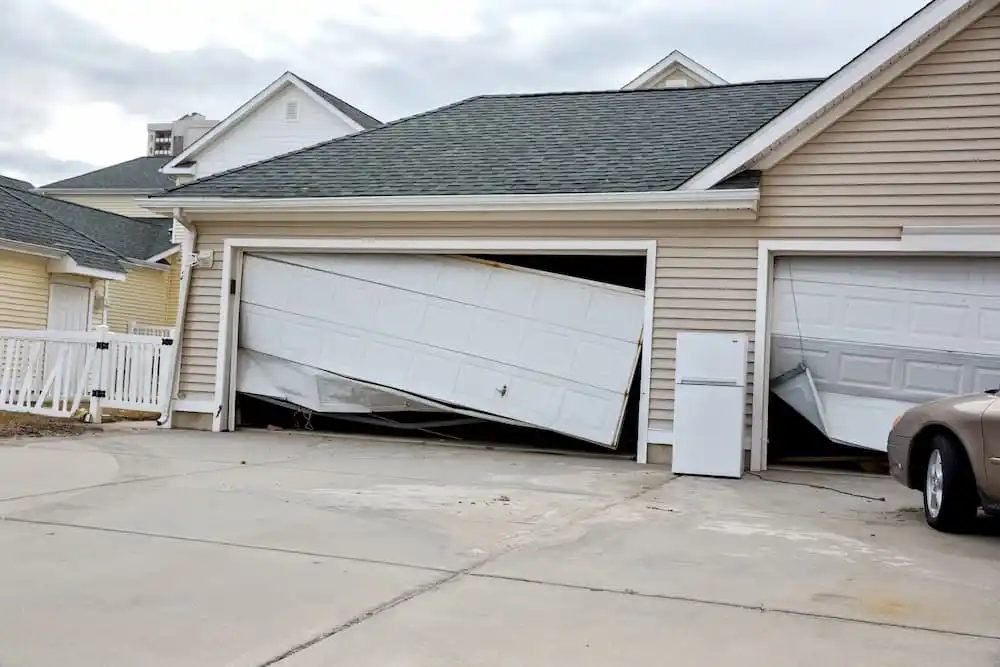
The extent of damage determines the scope of work, since garage door repairs limited to isolated part failures need less labor than widespread damage.
Damage level raises or lowers a quote depending on:
- Isolated part failures limiting the work to minor repairs
- Worn neighboring components adding parts to the invoice
- Bent tracks or panels adding straightening or replacement work
- Structural damage pointing toward full panel replacement or a new garage door
- Aging doors where simple repairs no longer hold up
To weigh repair against replacement when damage is extensive, read our guide on Is Garage Door Repair or Replacement Cheaper in Gainesville?, which compares lifespan, labor, and total expenses for each path and each repair type.
Local Labor Rates
Local labor rates set the hourly cost of technician time, which makes up a significant portion of any repair bill, regardless of the part being replaced.
Labor charges on a quote reflect factors like:
- Hourly technician rates that vary by market and experience level
- Base service call fees covering the first hour on site
- Complex jobs needing two technicians for safe lifting
- After-hours emergency service carrying a premium rate
- Travel distance adding time to the total labor costs
To verify which labor and parts charges belong on a written quote, read our guide on What Does a Garage Door Repair Quote Include in Gainesville?, which covers each line a clear estimate should list and how the hours behind it are counted.
Wind-Load Requirements
Wind-load requirements in storm-exposed areas call for reinforced doors and hardware, which increases parts and compliance work.
Storm-rated doors add to the final price through details like:
- Heavier reinforced panels that cost more than standard sections
- Stronger tracks and brackets rated for high wind pressure
- Reinforcement struts that add parts to a replacement
- Compliance checks that add technician time to the visit
- Storm-rated models widening the replacement parts range for routine repairs
Correct garage door installation to the required wind rating keeps a reinforced door compliant and simplifies parts selection during later repairs.
How to Estimate a Repair Price Before the Visit
Preparation before the call lets a technician quote more accurately and helps a homeowner judge whether the price that follows is reasonable.
Practical ways to prepare for an accurate quote include:
- Noting the symptom, such as grinding, a stuck door, or a flashing sensor
- Recording the spring type and door type listed on the frame label
- Photographing the damage from multiple angles for the technician
- Clearing the space beside the door where families store household items
- Requesting upfront pricing in writing and comparing it with the average cost
Regular upkeep helps lower garage door repair costs over the life of your door, since a small problem addressed early stays inexpensive.
Knowing the Price Drivers Makes Every Quote Easier to Judge
Price drivers such as the failed part, door type, and extent of damage explain why two similar repairs can end with noticeably different invoices. Transparent pricing lets homeowners approve work with confidence and question any charge that cannot be tied to one of those factors.
Alachua Door Company bases each Gainesville, FL quote on the parts, labor, and conditions found during the inspection, which keeps the final price tied to the actual job. Contact us or give us a call today for a clear quote based on the exact factors behind the repair and the work involved.


