Your garage door is likely the largest moving component in your home, yet one of its most critical parts often goes unnoticed: the springs. These components carry most of the workload within the garage door system, counterbalancing the door’s weight and allowing it to open and close smoothly, despite how heavy it can be. Because they operate quietly in the background, garage door springs rarely get much attention until something stops working as it should. Over time, the repeated motion of lifting and lowering the door places constant stress on the springs, making eventual repair an expected part of owning a garage door.
Recognizing the early signs of spring trouble can make a meaningful difference in how well your garage door performs over the long term, especially when garage door spring repair is addressed at the right time. Understanding why timely attention and ongoing care matter helps homeowners avoid unexpected disruptions and unnecessary strain on the entire system. When spring issues are left unaddressed, the garage door can become difficult to operate or stop functioning altogether, sometimes leading to additional damage that could have been prevented with prompt garage door spring repair. Addressing concerns early and staying mindful of overall garage door care helps keep the system reliable, safe, and working as intended for years to come.
Understanding Garage Door Spring Repair and Replacement Needs
When a garage door spring breaks, replacement is almost always necessary. Garage door springs are engineered to operate under high tension for a limited lifespan, and once that tension is compromised through wear, stretching, or breakage, the spring can no longer function safely. Attempting to continue using the garage door with a damaged spring makes the door extremely heavy and difficult to move, while also placing excessive strain on the opener. This added stress can quickly affect other parts of the system, which is why spring issues should be addressed without delay. Ignoring the problem often leads to more extensive damage throughout the garage door assembly.
Recognizing when a spring has failed is usually straightforward. A loud popping sound from the garage, a door that appears uneven, or a door that cannot be lifted manually are all strong indicators of a broken spring. Garage doors rely on one of two spring systems: torsion or extension, and identifying which type is installed is essential before moving forward with replacement. Each system functions differently and plays a specific role in supporting the door and its opener, which is why understanding these differences matters.
For a deeper look at early warning signals, be sure to read our guide titled “Common Signs You Need Garage Door Spring Repair.”
Torsion and Extension Springs in Garage Door Systems
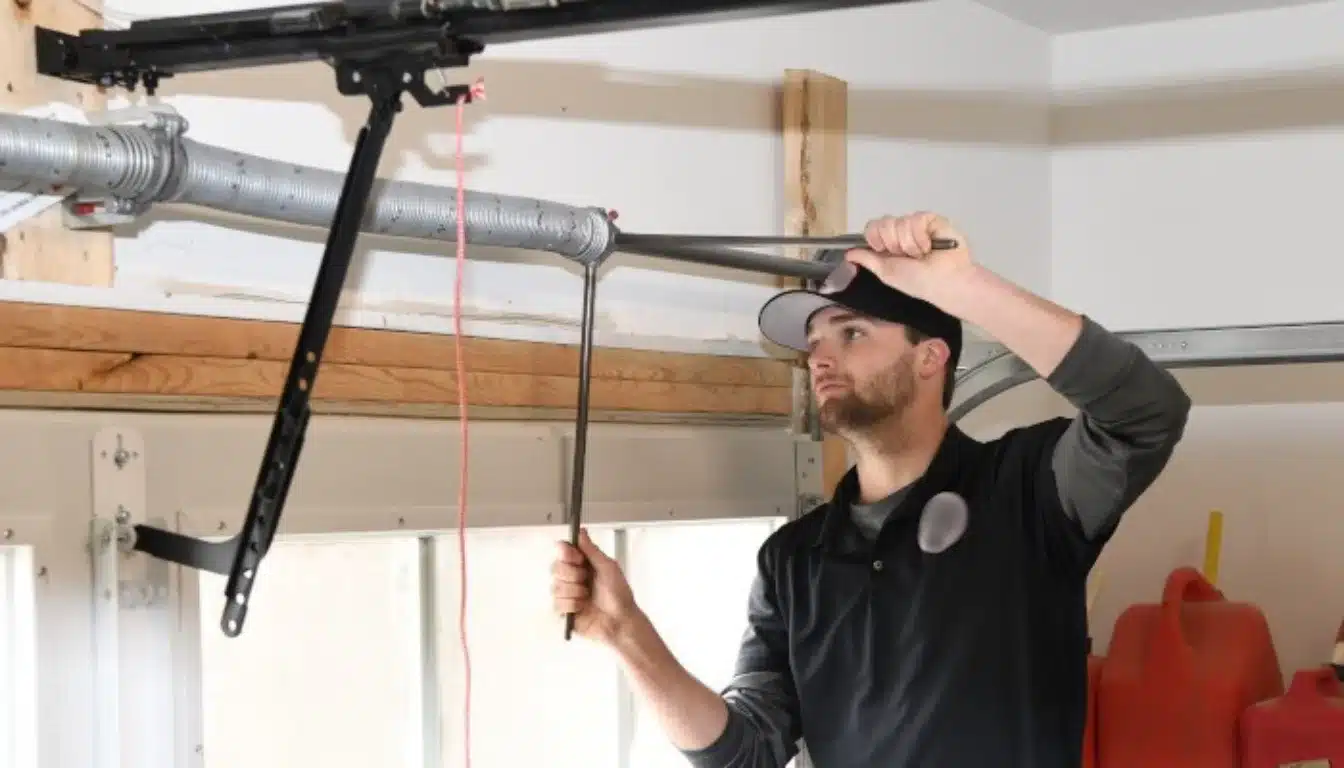
Most residential garage doors use either torsion springs or extension springs. Torsion springs are mounted on a metal shaft above the garage door opening and work by twisting to generate torque as the door moves. They are commonly used on newer or heavier doors because they provide smoother, more controlled movement and tend to last longer. However, the high level of tension they hold makes torsion spring repair complex and potentially dangerous without the proper experience and equipment.
Extension springs are installed along both sides of the garage door, running parallel to the tracks. These springs lift the door by stretching and contracting as it opens and closes. They are often found on older garage doors or lighter, single-panel designs. While extension springs are effective, they can pose safety risks if they break without containment cables in place, as the released tension can cause the spring to snap outward. Repairing extension springs differs significantly from working with torsion springs, and both systems require careful handling due to the forces involved.
Choosing the correct spring type is not a matter of preference. The right option depends on the door’s size, weight, and overall construction. Heavier doors, such as solid wood or insulated models, typically require torsion springs to provide proper balance and control. Using the wrong spring type can lead to poor performance and increased wear on the system.
How Garage Door Springs Support Everyday Door Movement
Garage door springs are what make lifting and lowering a heavy door feel manageable. By counterbalancing the door’s weight, the springs allow the door to move smoothly while reducing the effort required from both the homeowner and the opener. As the door closes, the springs store energy, whether through twisting or stretching, and that stored energy is released during opening to handle the bulk of the load.
When springs are functioning correctly, the rollers glide easily along the tracks, and the opener operates without strain. If a spring fails, the door’s full weight shifts to other components that are not designed to handle it. The opener, in particular, is meant to guide movement rather than support heavy loads, and operating it with a broken spring can quickly lead to motor damage or stripped gears.
Properly balanced springs are especially important for heavier garage doors, as they help ensure the door moves smoothly and stays under control throughout each cycle. When the system is balanced, the door moves predictably, avoids sudden drops, and places less stress on related components such as tracks, openers, and garage door roller replacements. This balance not only extends the life of the garage door system but also supports safer, more reliable operation during everyday use.
Common Reasons Garage Door Spring Repair Becomes Necessary
Garage door springs are not designed to last forever. Every time the door opens or closes, the springs complete a cycle while carrying significant tension, and that repeated stress gradually takes its toll. Most standard springs are built to handle around 10,000 cycles, a number that can add up quickly depending on how often the garage door is used. Over time, this constant workload explains why broken springs are among the most common garage door issues homeowners face.
Daily use is not the only factor that affects spring durability. Environmental exposure and general upkeep also play a role in how long springs remain reliable. Rust can form along the coils, weakening the metal and increasing friction as the spring moves. A lack of lubrication adds even more resistance, causing the spring to wear down faster than expected. Being aware of these influences makes it easier to monitor the condition of your garage door system and recognize when attention may be needed. Understanding how wear develops also helps explain the performance changes that often appear before a spring fails completely.
To learn more about why timing matters, explore our article “What Risks Come With Delayed Garage Door Spring Repair.”
Wear and Stress That Lead to Garage Door Spring Failure
Garage door springs endure constant pressure, not only during movement but also while supporting the door’s weight when it is at rest. Each opening and closing cycle adds stress to the metal, and over thousands of repetitions, that strain gradually weakens the steel. As the material loses strength, the risk of snapping increases. Under typical conditions, torsion springs often last between 8 and 15 years, while extension springs may last around 7 to 12 years, depending on usage patterns.
Certain conditions can shorten that lifespan even further. Understanding these factors helps explain why some springs fail sooner than expected:
- High usage: When the garage door is used as the primary entrance, the spring completes far more cycles, accelerating wear.
- Insufficient lubrication: Without proper lubrication, friction increases, causing the spring to age and corrode more quickly.
- Rust and corrosion: Moisture exposure can lead to rust, which weakens the steel and creates rough surfaces that add strain during operation.
Performance Changes That Signal Spring Repair Is Needed
Before a garage door spring fails entirely, changes in performance often appear as early warnings that should not be overlooked. As a spring weakens, it can no longer balance the door’s weight properly, which affects how smoothly the door moves and how much strain is placed on the system. These shifts in operation are the system’s way of signaling that something is no longer working as it should, and in some cases, they may also point to the need for solutions such as Wayne Dalton TorqueMaster conversions when older spring designs begin to show limitations. If these signs are ignored, the added stress can lead to broader system issues and more disruptive failures down the line.
Several noticeable signs can indicate that spring repair may be needed:
- The door feels unusually heavy: When the opener is disengaged, lifting the door by hand may require much more effort than before, showing that the spring is no longer providing adequate support.
- The door closes too quickly: A door that drops faster than normal instead of lowering steadily often points to worn springs.
- Uneven or crooked movement: On doors with two springs, failure on one side can cause the door to rise unevenly along the tracks.
- The opener shows signs of strain: Grinding sounds or labored movement from the opener may indicate it is compensating for weakened springs rather than simply guiding the door.
Recognizing these changes early helps prevent additional stress on the garage door system and reduces the likelihood of more serious damage developing over time.
Why Delaying Garage Door Spring Repair Can Create Bigger Problems
Postponing garage door spring repair often leads to complications that extend well beyond the spring itself. When a spring begins to weaken, the system is already under strain, but once it breaks, the situation can escalate quickly. A snapped spring releases a significant amount of stored force, which can cause the garage door to drop suddenly and with great force. This sudden movement creates serious safety concerns for anyone nearby and can result in damage to the door, vehicles, or stored items beneath it. For this reason, a broken garage door spring is more than an inconvenience; it presents a genuine hazard.
Delays can also take a toll on other parts of the garage door system. As the spring fails to do its job, added pressure shifts to components that were never designed to carry the door’s full weight. Over time, this strain can damage the opener, bend the tracks, or place excessive tension on the cables. What might have started as a single spring issue can quickly affect multiple parts of the system, increasing the scope of repairs and the overall disruption. Addressing spring problems early helps limit this chain reaction and keeps the garage door operating safely.
For more insight into prevention and long-term reliability, read “Can Garage Door Spring Repair Prevent Door Failure?”
Situations That Can Escalate Into Emergency Spring Repair
In some cases, a spring failure creates conditions that require immediate attention and should be treated as emergency garage door repair situations. These scenarios are typically marked by sudden safety risks or by a garage door that can no longer be operated at all, leaving vehicles inaccessible or the property unsecured. Recognizing these warning signs helps clarify when a spring issue has become urgent and calls for prompt professional response.
Common situations that can turn a spring failure into an emergency include:
- A loud, explosive noise: A sharp bang, similar to a firecracker, often signals that a spring has snapped under extreme tension. When this happens, the door is no longer properly supported and should not be operated.
- A door that will not move: If the garage door becomes stuck in place or stops midway, normal operation is no longer possible, which can leave the garage exposed or prevent access to vehicles.
- Visible spring breakage: With extension springs, a break can be especially dangerous if containment cables are not present, as loose parts may move unpredictably within the garage.
- A sudden door drop: When a spring fails while the door is in motion, the door can fall rapidly, increasing the risk of injury or damage to anything in its path.
These situations highlight how quickly a spring problem can escalate and why prompt attention is critical when a garage door no longer behaves as expected.
How Spring Damage Affects Overall Garage Door Operation
When a garage door spring becomes damaged, the impact extends well beyond the spring itself and can disrupt the entire system. Springs are responsible for balancing the door’s weight, and when one fails, that weight shifts to components that were never designed to carry it. The garage door opener is often affected first, as it relies on a properly balanced door to operate smoothly, and the added strain can wear down its motor or gears. At the same time, cables may stretch or snap, rollers can slip out of alignment, and tracks may bend under the uneven load. Even in systems with two springs, continuing to use the door after one fails places excessive stress on the remaining spring, increasing the likelihood of another breakdown and causing the door to move unevenly, which can damage panels and hardware. Addressing a broken spring promptly helps prevent these cascading issues and protects the overall condition of the garage door system.
Knowing when it’s time for garage door spring repair plays an important role in keeping your garage door safe, reliable, and operating as it should. Paying attention to how the door moves and staying mindful of its condition can prevent minor concerns from developing into more serious problems, while also supporting smooth, consistent performance over time. When early signs of spring issues are addressed, the springs are less likely to suffer additional strain, which helps preserve the overall condition of the garage door system and protects the rest of your home. If questions come up or you need support with garage door spring repair, seeking assistance sooner rather than later helps ensure your garage door continues to receive the care it needs to function properly.
For homeowners looking for dependable, knowledgeable support, Alachua Door Company is a trusted local choice with a strong reputation for quality workmanship and attentive service. Our team understands the importance of keeping garage doors operating safely and efficiently, especially when spring issues arise. If you’re noticing signs of spring trouble or want professional guidance, contact us today or give us a call and schedule a service consultation to keep your garage door performing at its best.
Frequently Asked Questions
How long does garage door spring repair usually take?
In most cases, garage door spring repair or replacement can be completed within one to two hours. The exact timeframe depends on the type of spring involved and the condition of the garage door system, but experienced technicians typically work efficiently while ensuring the door is properly balanced and safe to operate before the job is finished.
When is garage door spring replacement necessary instead of repair?
Replacement is necessary when a spring is worn out, stretched beyond its limit, or broken. Garage door springs are designed to function under constant tension for a limited lifespan, and once that lifespan is reached, repairs are no longer effective or safe. A broken spring cannot regain its original strength, making replacement the only reliable solution.
Why is a damaged garage door spring considered a safety concern?
A damaged spring poses a serious safety risk because it supports the weight of a heavy garage door under extreme tension. If the spring fails, that stored energy can be released suddenly, causing the door to drop without warning. This can result in injuries or damage to vehicles and property, which is why spring issues should never be ignored.
What is the difference between torsion and extension garage door spring repair?
The primary difference lies in how the springs are installed and how they function within the garage door system. Torsion springs are positioned above the door and operate by twisting to generate a lifting force, while extension springs run along the sides of the tracks and lift the door by stretching as it moves. Both systems demand careful handling due to the tension involved, though torsion springs typically require more precise adjustments because of the higher forces they manage. For a deeper breakdown of how these systems compare, additional details can be found in an industry overview published by Gerald Grain.
Is it safe to use a garage door when spring repair is needed?
Using a garage door when a spring is damaged is unsafe. A faulty spring cannot properly support the door’s weight, which places excessive strain on the opener and other components. Continued use increases the risk of sudden failure and potential injury, so the door should remain unused until the spring issue is resolved.
Can a garage door still operate if only one spring has failed?
While a garage door with two springs may still move when one fails, operating it in this condition is risky. The remaining spring must carry the full weight of the door, which accelerates wear and raises the likelihood of another failure. Uneven movement can also damage tracks, rollers, and door panels.
What happens inside the garage door system when a spring breaks?
When a spring breaks, the counterbalance system stops functioning properly, and the full weight of the door shifts to other components. The door becomes difficult or impossible to lift, and the opener may struggle to move it. This sudden change in force can also affect cables and other hardware connected to the lifting system.
How does a broken spring affect other garage door components?
A broken spring places added stress on nearly every part of the garage door system. The opener may overwork itself trying to lift the door, the tracks can become misaligned, the rollers may wear unevenly, and the cables can loosen or snap. Over time, this strain can lead to multiple component failures instead of a single repair.
How long do garage door springs typically last under normal use?
Garage door spring lifespan is measured in cycles, with one cycle defined as a full opening and closing of the door, which makes daily usage a major factor in how long the springs last. Extension springs are commonly rated for around 10,000 cycles, while torsion springs are designed to last longer, often averaging between 15,000 and 20,000 cycles depending on conditions. Environmental exposure and the overall care of the garage door system also play an important role in long-term performance. For additional insight into modern spring technology and durability, see the expert analysis published by Serious Materials.
When does a spring failure become an emergency repair situation?
A spring failure becomes an emergency when it creates an immediate safety risk or prevents the garage door from opening or closing securely. Situations such as a loud snapping sound, a door that is stuck in place, or a door that drops suddenly indicate urgent conditions that should be addressed right away to avoid further damage or injury.
In most cases, garage door spring repair or replacement can be completed within one to two hours. The exact timeframe depends on the type of spring involved and the condition of the garage door system, but experienced technicians typically work efficiently while ensuring the door is properly balanced and safe to operate before the job is finished.
Replacement is necessary when a spring is worn out, stretched beyond its limit, or broken. Garage door springs are designed to function under constant tension for a limited lifespan, and once that lifespan is reached, repairs are no longer effective or safe. A broken spring cannot regain its original strength, making replacement the only reliable solution.
A damaged spring poses a serious safety risk because it supports the weight of a heavy garage door under extreme tension. If the spring fails, that stored energy can be released suddenly, causing the door to drop without warning. This can result in injuries or damage to vehicles and property, which is why spring issues should never be ignored.
The primary difference lies in how the springs are installed and how they function within the garage door system. Torsion springs are positioned above the door and operate by twisting to generate a lifting force, while extension springs run along the sides of the tracks and lift the door by stretching as it moves. Both systems demand careful handling due to the tension involved, though torsion springs typically require more precise adjustments because of the higher forces they manage. For a deeper breakdown of how these systems compare, additional details can be found in an industry overview published by Gerald Grain.
Using a garage door when a spring is damaged is unsafe. A faulty spring cannot properly support the door’s weight, which places excessive strain on the opener and other components. Continued use increases the risk of sudden failure and potential injury, so the door should remain unused until the spring issue is resolved.
While a garage door with two springs may still move when one fails, operating it in this condition is risky. The remaining spring must carry the full weight of the door, which accelerates wear and raises the likelihood of another failure. Uneven movement can also damage tracks, rollers, and door panels.
When a spring breaks, the counterbalance system stops functioning properly, and the full weight of the door shifts to other components. The door becomes difficult or impossible to lift, and the opener may struggle to move it. This sudden change in force can also affect cables and other hardware connected to the lifting system.
A broken spring places added stress on nearly every part of the garage door system. The opener may overwork itself trying to lift the door, the tracks can become misaligned, the rollers may wear unevenly, and the cables can loosen or snap. Over time, this strain can lead to multiple component failures instead of a single repair.
Garage door spring lifespan is measured in cycles, with one cycle defined as a full opening and closing of the door, which makes daily usage a major factor in how long the springs last. Extension springs are commonly rated for around 10,000 cycles, while torsion springs are designed to last longer, often averaging between 15,000 and 20,000 cycles depending on conditions. Environmental exposure and the overall care of the garage door system also play an important role in long-term performance. For additional insight into modern spring technology and durability, see the expert analysis published by Serious Materials.
A spring failure becomes an emergency when it creates an immediate safety risk or prevents the garage door from opening or closing securely. Situations such as a loud snapping sound, a door that is stuck in place, or a door that drops suddenly indicate urgent conditions that should be addressed right away to avoid further damage or injury.