
A garage door operates through springs, rollers, tracks, and other moving parts that support daily opening and closing cycles in many homes. Following a garage door maintenance checklist helps homeowners recognize early warning signs of developing wear in the garage door system.
When garage door maintenance is delayed, noticeable changes, such as unusual noises, uneven movement, or slower operation, may become apparent during regular use. Recognizing these warning signs early helps homeowners reduce the chance of sudden breakdowns that may require emergency garage door repair.
Why Do Garage Doors Show Warning Signs Without Regular Maintenance?
Garage doors rely on springs, rollers, tracks, and other moving parts that experience constant motion and exposure to the environment, so warning signs often appear when routine service is delayed.
Common reasons these warning signs begin appearing include:
- Moving parts experience friction when lubrication is reduced.
- Hardware gradually loosens from repeated opening and closing cycles.
- Moisture exposure can lead to rust on springs, cables, and metal components.
- Debris or small obstructions may interfere with the door’s path.
- Daily use slowly affects the balance of the garage door system.
To understand how these warning signals fit into a complete garage door maintenance checklist, read our guide on Garage Door Maintenance Checklist Homeowners Can Follow, which explains routine inspections homeowners use to identify early problems.
Common Signs Your Garage Door Needs Maintenance
Unusual Noises During Opening and Closing
Strange sounds during door movement often indicate increasing friction, worn components, or reduced lubrication within the garage door system.
Watch for sound-related warning signs such as:
- Grinding noises form along the track area as rollers travel upward.
- High-pitched squeaking coming from hinges or pivot points.
- Rattling vibrations are developing near loose brackets or track hardware.
- Popping sounds near torsion springs during lifting cycles.
- Scraping noises occur when metal surfaces rub against each other.
According to Clopay, persistent operating noise is often an early indicator that mechanical components within the garage door system are experiencing wear, alignment changes, or lubrication loss, which may worsen without maintenance.

Slow or Delayed Garage Door Movement
Gradual changes in door speed often indicate resistance within the lifting system or increased strain on mechanical components.
Movement delays may appear in several ways:
- The door begins lifting several seconds after the opener activates.
- Travel speed becomes noticeably slower during opening cycles.
- Mid-travel pauses occur before the door reaches the top position.
- Closing cycles take longer than normal to complete.
- The opener motor continues running after the door stops moving.
Gradual speed changes can indicate growing strain within the lifting system, and situations like these often require attention, such as garage door spring repair when weakened springs begin affecting the door’s lifting balance.
Uneven Door Movement or Door Misalignment
Uneven movement often signals that the garage door system is no longer balanced or that structural hardware has shifted from its original position.
Movement imbalance may show through several visible behaviors:
- One side of the door rises faster than the opposite side.
- Door panels appear tilted as the train travels along the tracks.
- Jerking motion develops during lifting or lowering cycles.
- Gaps appear between rollers and the track edge.
- The door pauses briefly before completing travel.
Mechanical imbalance frequently develops when track alignment changes or spring tension becomes uneven, increasing strain on other moving parts.
Visible Wear on Rollers, Hinges, or Hardware
Regular observation of mechanical hardware often reveals early signs of wear that may affect door performance over time.
Visual indicators may include:
- Cracked rollers showing rough rotation along the track.
- Bent hinges are affecting the connection between door panels.
- Rust forming on brackets or exposed metal surfaces.
- Loose bolts are appearing along track supports.
- Rollers are sliding rather than rotating smoothly.
Ongoing hardware wear can affect smooth door travel and place additional strain on the track system, sometimes leading homeowners to consider garage door roller replacements when rollers no longer rotate smoothly along the track.
Garage Door Opener Struggling to Lift the Door
Increased strain on the opener usually occurs when the door becomes heavier or when spring tension no longer properly supports the door’s weight.
Performance changes may appear in several forms:
- The opener motor is running longer than normal during lifting.
- The door stops halfway during opening cycles.
- Opener light flashing repeatedly during operation.
- Excess vibration is appearing in the opener rail.
- The door reverses direction before reaching the top.
Strain on the opener often indicates balance problems inside the lifting system, which may shorten the lifespan of both springs and the motor.
Door Reversing Before Fully Closing
Unexpected reversing during a closing cycle often indicates interference within the door’s path or sensor-related problems.
Reversal patterns may include:
- The door begins closing and quickly reverses upward.
- The opener light flashes after the door stops.
- Closing cycle fails repeatedly during operation.
- Door stops several inches above the floor.
- Sensors blink while the door attempts to close.
Chamberlain states that modern garage door openers automatically reverse direction when resistance or obstruction is detected, a safety feature designed to reduce the risk of injury or property damage during door operation.
Vibration or Shaking During Door Operation
Shaking motion during door travel usually indicates instability within the track system or loosening of structural hardware.
Vibration symptoms may include:
- Door panels are shaking as they move upward.
- Track mounts are rattling against the wall framing.
- Support brackets shift slightly during operation.
- The opener rail is vibrating during lifting cycles.
- Rolling motion appears uneven across the track.
Mechanical vibration often develops when mounting hardware loosens or when the door balance changes over time.
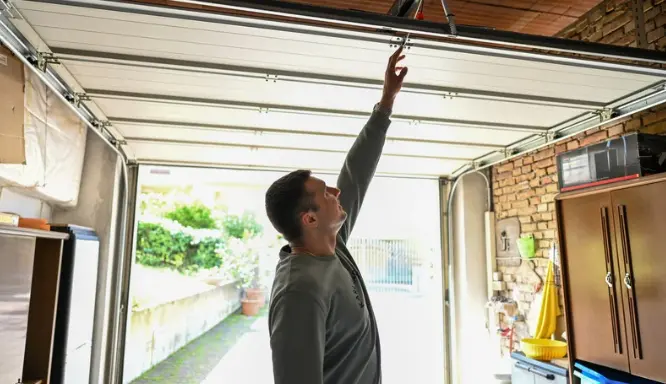
Rust or Corrosion on Springs and Cables
Metal components exposed to humidity and other environmental moisture may gradually develop corrosion, weakening structural strength.
Corrosion signs may appear through several visual changes:
- Rust forming along torsion springs or extension springs.
- Cables showing rough or discolored metal surfaces.
- Corrosion appearing on brackets or support hardware.
- Flaking metal forming along track sections.
- Springs appear dry or brittle during inspection.
Environmental exposure in humid climates like Florida can accelerate metal corrosion, potentially shortening the lifespan of important garage door components.
Garage Door Panels Showing Dents or Warping
Physical damage to door panels can affect both structural stability and overall system alignment.
Panel damage may appear through several visible indicators:
- Dents forming from accidental vehicle contact.
- Warping appears after temperature changes.
- Cracks are forming along older panel materials.
- Hinges pulling away from damaged panel edges.
- Door sections shifting slightly during operation.
Structural damage to door panels can affect alignment and long-term performance, and severe panel deterioration may eventually require garage door panel repair to restore proper movement and door stability.
Gaps Under the Door or Worn Weather Seals
Changes near the bottom seal often indicate deterioration of protective materials designed to block outside elements.
Seal-related issues may include:
- Light is becoming visible under the bottom of the door.
- Outdoor air is entering through the garage opening.
- Water appears inside the garage after rainfall.
- Small pests are entering through gaps in the seals.
- Rubber weather stripping showing cracks or flattening.
Worn bottom seals allow air, moisture, and pests to enter the garage, gradually affecting insulation and indoor conditions.
Why Ignoring These Warning Signs Leads to Bigger Garage Door Problems
Ignoring early warning signs allows wear inside the garage door system to spread and affect additional components.
Situations that commonly develop when warning signs are ignored include:
- Minor issues are gradually turning into costly repairs as worn components place additional strain on surrounding hardware.
- Increased stress on springs and moving parts, especially when balance changes affect the lifting system.
- Greater wear on the garage door opener when the door becomes heavier or misaligned.
- Loose hardware and friction building inside the track system, leading to vibration and uneven movement.
- Unexpected door failure during daily operation, which can interrupt normal access to the garage.
To learn how delayed maintenance can increase repair risks, read our guide on What Happens If You Skip Garage Door Maintenance?, which explains how neglected service affects long-term garage door performance.
How Routine Garage Door Maintenance Helps Prevent These Problems
Routine garage door maintenance helps reduce mechanical strain, improve system performance, and identify early signs of wear before they affect multiple components.
Maintenance benefits that help prevent common garage door problems include:
- Early detection of worn hardware allows small issues to be addressed before they spread across the system.
- Reduced friction on moving parts, which helps rollers, hinges, and tracks operate more smoothly.
- Improved balance within the garage door system, lowering strain on springs and the garage door opener.
- Better inspection of safety sensors and hardware helps maintain consistent door operation.
Regular attention to these areas supports smoother performance and helps extend the overall lifespan of the garage door system.
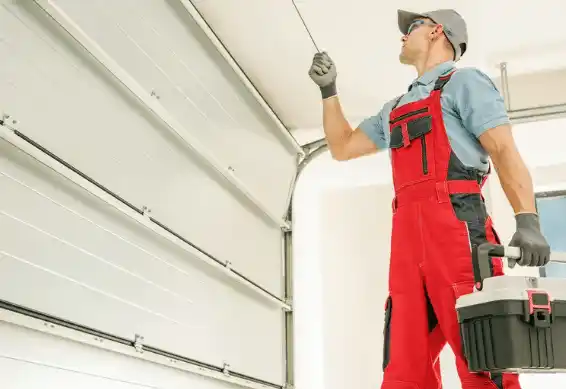
When These Signs Mean Your Garage Door Needs a Tune-Up
Several warning signs indicate that the garage door system may require a professional garage door tune-up to restore smooth operation and reduce strain on its mechanical components.
Situations that often signal the need for a tune-up include:
- Repeated slow or uneven door movement suggests the system may need balance adjustments or spring tension evaluation.
- Persistent noise during operation, which may indicate friction or lubrication loss within moving hardware.
- Opener strain while lifting the door is often caused by an imbalance or worn lifting components.
- Vibration or shaking while the door travels, which may develop when the hardware loosens or the alignment shifts.
To determine the recommended service intervals for residential doors, read our guide on How Often Should You Maintain a Garage Door?, which explains typical maintenance schedules homeowners follow.
When to Schedule a Professional Garage Door Inspection in Gainesville, FL
Certain warning signs suggest that a professional garage door inspection may be needed to evaluate mechanical components and confirm the system is operating properly.
Situations that often prompt homeowners to schedule an inspection include:
- Persistent unusual noises during door movement, which may signal friction, worn rollers, or hardware strain.
- Uneven or jerky door travel indicates possible changes in track alignment.
- Door reversal while closing is often due to sensor or resistance detection issues.
- Visible rust, dents, or loose hardware can affect the overall performance of the garage door.
Early inspections help identify developing problems before they spread across connected parts of the garage door system.
Take Action When These Garage Door Maintenance Signs Appear
Early warning signs such as unusual noises, uneven movement, or visible hardware wear often indicate that the garage door system is beginning to experience strain. Recognizing these changes and following a consistent garage door maintenance checklist helps homeowners address developing issues before they lead to larger mechanical failures.
Alachua Door Company provides professional garage door services for homeowners throughout Gainesville, FL, who are noticing signs of wear or performance changes in their doors. We are ready to inspect your system, identify potential problems, and restore smooth operation, so contact us or give us a call today to schedule professional garage door service for your home.
Frequently Asked Questions
What causes a garage door to move unevenly?
Uneven movement typically occurs when spring tension changes or when track alignment shifts slightly. Hardware wear, loose brackets, or worn rollers can also affect balance within the garage door system.
Why does my garage door close and then reopen?
A garage door may reverse after closing if sensors detect resistance or an obstruction along the door’s path. Misaligned safety sensors or debris near the bottom of the door can trigger the opener’s automatic reversal feature.
How do I know if my garage door rollers are wearing out?
Worn rollers often show visible cracks, rough rotation, or increased noise while the door moves along the track. A professional technician performing a garage door safety check can confirm whether rollers are reaching the end of their service life.
What causes vibration when a garage door operates?
Vibration usually appears when hardware loosens or when the door loses proper balance during operation. Loose brackets, worn rollers, or misaligned tracks can cause shaking while the door travels.
Why does my garage door opener struggle to lift the door?
An opener may struggle when the door becomes heavier due to worn springs or a mechanical imbalance. Increased strain on the lifting system can cause slower movement or incomplete opening cycles.
How can I tell if garage door springs are wearing out?
Several warning signs often appear as springs begin to lose strength. Uneven lifting, loud popping sounds, or increased strain on the opener may indicate that spring tension is weakening.
Can Florida weather affect garage door performance?
Yes. Humidity and seasonal moisture can cause metal components to rust and increase friction between moving parts. Regular inspections help identify corrosion or wear that may develop in coastal climates like Gainesville.
What are the early warning signs of garage door track problems?
Track issues may appear as scraping sounds, uneven door travel, or visible gaps between rollers and the track. Misalignment within the track system can gradually affect the door’s smooth operation.
When should homeowners call a professional for garage door issues?
Professional service may be needed when the door shows recurring problems, unusual noises, or visible hardware damage. Searching for garage door maintenance near me can help homeowners connect with technicians who can inspect the system and identify developing issues.


