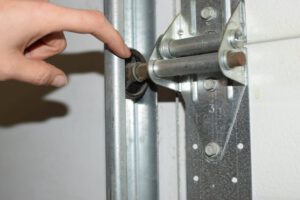

A garage door that will not respond to the opener or remote is a sign that something in the garage door system has failed, and knowing how to close a garage door manually is what keeps your home protected. Getting the door closed by hand requires understanding how the manual release mechanism works before you attempt it.
Skipping a proper inspection before attempting manual operation is what leads most homeowners to worsen the problem and turn a minor issue into a costly garage door repair. This guide covers every step for manually closing a garage door, what to check before you start, and when the job calls for a professional instead of a DIY attempt.
Why Is Your Garage Door Not Closing Manually?
A garage door that will not close manually points to a specific failure somewhere in the system, and each cause affects the door differently depending on which component has worn out, shifted, or lost power.
Common reasons why a garage door is not closing manually include:
- Broken springs make the door too heavy to move and throw off the entire balance.
- Bent or misaligned tracks block the door from traveling down its path.
- Dirty or misaligned garage door sensors signal the opener to stop before the door closes.
- A dead or malfunctioning remote control prevents the opener from receiving any command.
- Power outage cuts power to the automatic garage door entirely, leaving it unresponsive.
- A disengaged or stuck trolley prevents the door from moving even after the release cord is pulled.
- A worn or damaged manual release mechanism stops the door from disconnecting from the opener.
To understand how each of these issues affects your ability to operate the door by hand, read our guide on Why Won’t My Garage Door Close Manually?, which walks through each cause and what it means for your garage door system.
Is Your Garage Door Ready for Manual Operation?
Before attempting manual operation, the condition of your garage door and its components determines whether it is ready to be moved by hand.
Signs your garage door is ready for manual operation include:
- The door is fully open or closed in its position with no tension issues.
- Springs and cables are visibly intact with no fraying, separation, or slack.
- Tracks on both sides are straight, parallel, and free of debris.
- The floor area beneath the door is completely clear, with no obstructions.
- No visible rust or corrosion on the moving parts or hardware.
- The door has not been released manually before and has not been re-engaged.
- No storm or weather damage is visible on the panels or door frame.
To confirm you are following the correct process before touching anything, read our guide on How to Put a Garage Door in Manual Mode, which walks through every preparation step in the right order.
What to Check Before You Attempt Manual Garage Door Closing
Rushing into manual garage door closing without inspecting the system first turns a simple fix into a bigger, more expensive problem.
Key things to check before attempting manual garage door closing include:
- Torsion springs above the door must show no visible gaps, separation, or broken coils.
- Cables running from the bottom corners of the door must be intact, taut, and on the drum.
- Tracks on both sides must be straight, secure, and free of debris or blockages.
- Rollers must turn without resistance and show no visible cracks or flat spots.
- The floor path of the door must be completely clear before any manual movement begins.
Skipping these checks before manually closing the garage door turns a minor issue into a repair that could have been avoided.
Step-by-Step Guide on How to Close a Garage Door Manually
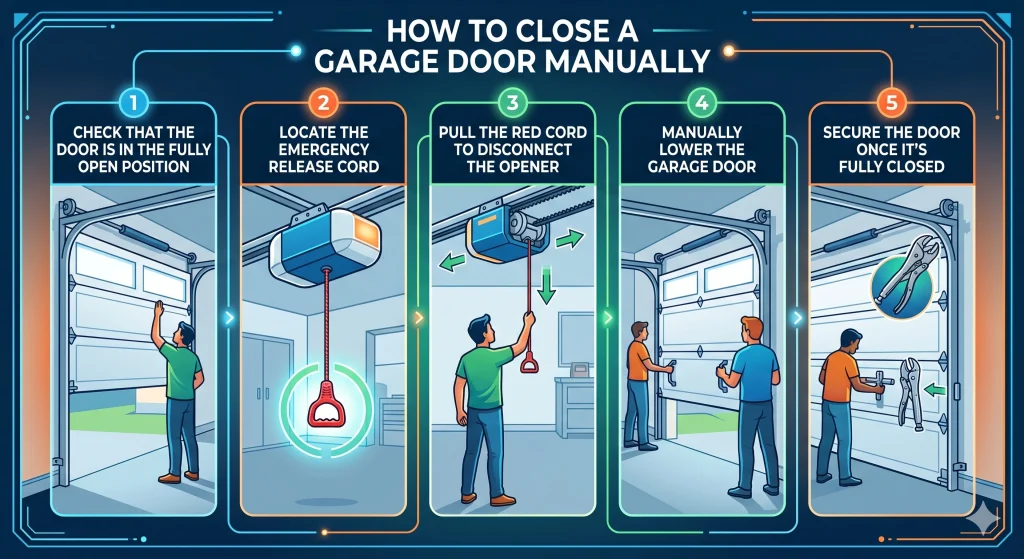
Step 1: Check That the Door Is in the Fully Open Position
Starting with the door in the fully open position gives you the most control when lowering it by hand.
Watch for these conditions before proceeding:
- Confirm the door is completely raised with no sagging or uneven panels.
- Unplug the automatic opener to prevent it from activating during manual operation.
- Everyone in or near the doorway must move completely out of the path.
- Having a second person nearby helps steady the door during lowering.
- Partial positioning makes the door harder to control and increases the risk of dropping.
A door that consistently fails to reach the fully open position may point to an underlying issue that a professional garage door installation technician can identify.
Step 2: Locate the Emergency Release Cord
Finding the emergency release cord quickly and correctly makes the rest of the manual closing process go smoothly.
Look for these identifying features:
- The red handle hangs from the trolley along the center track of the garage ceiling.
- Red emergency release cord stands out even in low-light or no-light conditions.
- The cord sits directly in the center of the garage and is accessible from inside.
- Some models include an emergency release lock that requires a key for outside access.
- Pulling before the door is fully open can cause the door to drop without warning.
Knowing exactly where the emergency release cord is before an emergency occurs is what makes manual operation faster and more controlled.
Step 3: Pull the Red Cord to Disconnect the Opener
Disconnecting the opener correctly ensures the door moves freely without resistance or damage to the release mechanism.
Key points to follow during this step:
- Pull the red emergency cord straight down to disengage the trolley from the drive carriage.
- Some opener models require pulling the manual release cord at a slight angle toward the door.
- A click or pop confirms the trolley has successfully disconnected from the opener.
- Yanking with excessive force risks damaging the internal release mechanism.
- Once disconnected, the door moves completely independent of the automatic garage door opener.
Proper disconnection technique protects the manual release mechanism and keeps it functional for every future use.
Step 4: Manually Lower the Garage Door
Lowering the door by hand requires steady control from start to finish to avoid damage to the panels, rollers, and bottom hardware.
Follow these steps during the lowering process:
- Grip the bottom handle or the lowest horizontal bar for maximum control during descent.
- Guide the door down slowly to prevent stress on the cables and rollers.
- Hands must stay on the handle and never inside the track channel.
- A door that feels too heavy or drops on its own signals a spring problem needing professional attention.
- Bring the door fully flush with the ground before releasing it.
Any fraying or slack in the cables noticed while lowering the door should be addressed immediately with a garage door cable replacement.
Step 5: Secure the Door Once It’s Fully Closed
Leaving a manually closed door unsecured creates an immediate security risk since the opener provides no resistance once disconnected.
Steps to properly secure the door after manual closing include:
- The manual slide lock on the inside prevents the door from being lifted outward.
- Vice grips clamped above a roller block the door from being pushed up.
- Never rely on the disconnected opener to hold the door shut.
- Set a reminder to re-engage the opener once the issue is resolved.
- An unsecured door overnight significantly increases the risk of unauthorized entry.
Securing the door immediately after manual closing keeps the home protected until the garage door system is fully restored to automatic operation.
How to Re-Engage Your Garage Door Opener After Manual Operation
Failing to re-engage the opener after manual operation leaves the garage door disconnected and unresponsive until reset.
Steps to re-engage your garage door opener after manual operation include:
- Pull the release cord toward the door at an angle to reposition the trolley carriage.
- A click or resistance confirms the carriage is ready to reconnect.
- Press the wall button or the remote to activate the opener, then reconnect the trolley.
- Watch for the trolley to snap into the carriage as confirmation of full reconnection.
- Open and close the door two or three times to confirm the automatic mode is restored.
- Remove any vice grips or locking pliers from the track before testing.
To get a full walkthrough of what happens when power is cut and how to restore normal operation, read our guide on Can I Close My Garage Door With No Power?, which covers every step from manual closing to full system restoration.
Safety Tips for Manually Closing Your Garage Door
Manually closing a garage door without following proper safety precautions puts both the door and everyone nearby at risk of injury or damage.
Essential safety tips for manually closing your garage door include:
- Never force a door that feels too heavy or resists movement.
- Keep your hands on the bottom handle and away from the track channel.
- Children and pets must stay at least ten feet away before pulling the release cord.
- Avoid manual operation during high winds as the door can slam shut unexpectedly.
- A door that drops on its own requires immediate professional attention.
Following all of these safety tips during manual garage door closing is what keeps the process from becoming an injury or a repair.
When to Call a Professional Instead of Doing It Yourself
Knowing how to close a garage door manually is a valuable skill, but certain conditions require professional intervention.
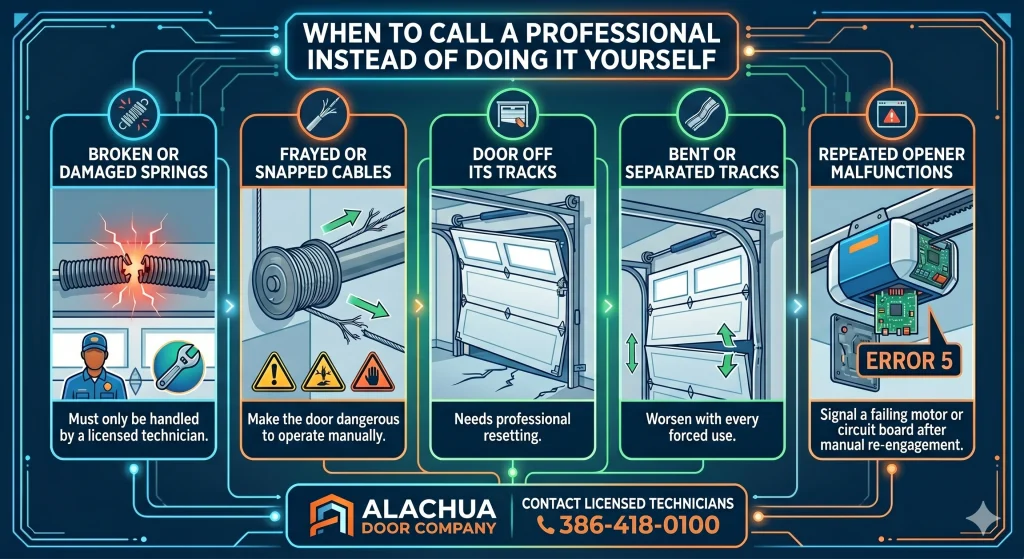
Signs it is time to call a professional instead of doing it yourself include:
- Broken or damaged springs must only be handled by a licensed technician.
- Frayed or snapped cables make the door dangerous to operate manually.
- A door that came off its tracks during manual operation needs professional resetting.
- Bent or separated tracks worsen with every forced use.
- Repeated opener malfunctions after manual re-engagement signal a failing motor or circuit board.
Attempting any of these repairs without the proper tools and training is what turns a fixable problem into a situation that calls for emergency garage door repair and a full system replacement.
Close Your Garage Door Manually Today and Get It Fixed for Good
Knowing how to close a garage door manually gives you the control to protect your home when the opener fails, the power goes out, or the system breaks down without warning. Manual operation is a valuable short-term skill, but getting your garage door back to full automatic function is what keeps your home running the way it should.
Alachua Door Company proudly serves homeowners across Gainesville, FL with professional garage door repair, maintenance, and installation services. Contact us or give us a call today so our licensed technicians can diagnose what stopped your garage door from closing manually and get it working properly again.
Frequently Asked Questions
How do I safely disconnect my garage door opener to close the door by hand?
Learning how to manually close a garage door starts by pulling the manual release cord straight down with a firm, controlled pull while the door is fully open. Never yank the cord with excessive force, as this can damage the release mechanism inside the opener.
What should I do if my garage door won't close automatically and I need to close it manually?
When a garage door won't close automatically, switch to manual mode by pulling the emergency release cord and lower the door by hand to close garage door manually. Once the issue is resolved, re-engage the opener using the wall button, and test it 2 or 3 times to confirm it is working.
Are there safety precautions I should follow when manually closing a garage door?
Yes, garage door manual operation requires keeping everyone at least ten feet away from the door before pulling the release cord. Never force a door that feels too heavy or resists movement, as this signals a spring or cable issue that needs professional attention.
How can I close my garage door without power during an outage?
To close garage door without power, pull the red emergency release cord to disconnect the door from the automatic opener and lower it by hand using the bottom handle. Once the door is fully closed, secure it with the manual lock or by clamping locking pliers onto the track.
Do all garage doors have a manual release handle for closing the door?
Not all garage doors have a manual release handle, as older or non-electric garage doors may not include one. Most modern residential garage doors with an electric opener include an emergency release cord, so checking the opener manual or consulting a technician is recommended if you are unsure.
How do I re-engage my garage door opener after manually closing the door?
Pull the release cord toward the door to reposition the trolley, then press the wall button or remote to reconnect the carriage automatically. Open and close the door two or three times to confirm the automatic mode is fully restored.
Is it possible to manually lower a garage door if the spring is broken?
Yes, it is technically possible, but to manually lower garage door with a broken spring is extremely risky without professional help. A door without a functioning spring carries its full weight on whoever is holding it, which can cause it to drop suddenly and cause serious injury.
Can an emergency garage door manual cause damage to the door or opener?
No, an emergency garage door manual close done correctly will not cause any damage to the door or opener. Forcing a stuck door, dropping it instead of guiding it down, or failing to re-engage the opener properly afterward can lead to bent panels, damaged rollers, or a misaligned trolley.
Are there differences between how to shut a garage door manually for electric and non-electric doors?
Yes, knowing how to shut garage door manually depends on whether the door has an electric opener. An electric garage door requires pulling the emergency release cord to disconnect it from the opener, while a non-electric door is simply lowered by hand using the bottom handle.