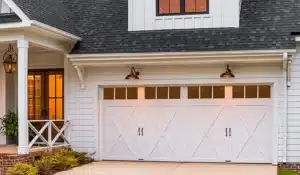

Garage door rollers play a key role in how smoothly a garage door moves along its tracks. These small components support steady motion and help reduce noise during everyday operation. When rollers function properly, overall door movement remains consistent and controlled.
- Garage door rollers guide the door as it travels along the track system
- Properly functioning rollers support quiet and balanced door movement
- Rollers gradually wear down due to repeated door operation
- Worn rollers may lead to visible damage, added noise, or uneven travel
- Environmental exposure can accelerate roller surface deterioration
- Alignment irregularities can place added strain on rollers
- Combined wear factors can reduce overall door performance
As these conditions develop, garage door movement may become less reliable. Understanding how roller wear occurs helps explain why garage door roller replacements become necessary to restore consistent and smooth operation over time.
Mechanical Factors That Lead to Roller Replacement
Garage door rollers commonly need replacement due to gradual wear from repeated use. Each time the door opens or closes, stress is placed on the rollers, which can slowly affect their shape and internal components. As wear increases, bearings may lose their ability to rotate smoothly, creating added friction and strain on the door system. Over time, this buildup of stress can interfere with proper movement, making roller replacement necessary to maintain normal garage door operation.
For more insight into recognizing these conditions, explore our related blog, “When Is Garage Door Roller Replacement Necessary?”
Wear Caused by Repeated Door Cycles
Garage door rollers are constantly in motion whenever the door opens or closes. Because the garage door is often one of the most frequently used entry points, this repeated movement places ongoing stress on the rollers over time.
- Rollers experience wear with each door cycle
- Frequent operation accelerates surface and internal wear
- Higher usage increases friction within the roller system
- Ongoing stress affects overall door movement
As this wear builds up, smooth operation becomes harder to maintain. Continued strain from repeated door cycles is a common reason garage door rollers eventually require replacement.
Loss of Roller Shape or Roundness Over Time
Rollers are designed to maintain a consistent shape for smooth travel along the track. Over time, material breakdown can cause rollers to lose their round form, which interferes with proper movement.
- Roller surfaces may develop flat spots or cracks
- Uneven rollers disrupt smooth track engagement
- Damaged rollers can cause shaking or scraping sounds
- Irregular surfaces affect door stability during movement
When rollers are no longer evenly shaped, the garage door cannot move as intended. Visible changes in roller shape often signal the need for replacement to restore proper operation.
Internal Bearing Breakdown Within Rollers
Many garage door rollers rely on internal bearings to rotate smoothly. As these bearings wear down, the roller’s ability to move freely along the track is reduced.
- Bearings can deteriorate due to prolonged friction
- Failed bearings prevent smooth roller rotation
- Rollers may begin dragging instead of rolling
- Increased resistance affects overall door performance
When bearing failure occurs, added strain is placed on the garage door system. Over time, this internal breakdown contributes to movement issues that make roller replacement necessary, and in some cases may coincide with the need for Wayne Dalton TorqueMaster conversions to support proper door balance and operation.
Environmental Conditions That Accelerate Roller Deterioration
Environmental conditions around the garage can significantly affect how garage door rollers perform over time. Exposure to moisture, dust, and airborne particles can accelerate wear, especially on metal components that are prone to rust. Debris buildup within the tracks can also interfere with smooth roller movement, causing uneven wear. As these environmental factors persist, roller performance can decline, increasing the likelihood that replacement will eventually be needed.
To learn how these issues typically present themselves, read our related blog, “Signs That Indicate Garage Door Roller Replacement.”
Rust Formation from Moisture Exposure
Moisture in the air can have a direct impact on garage door roller condition, especially when metal components are involved. Prolonged exposure to damp environments increases the likelihood of surface deterioration.
- Moisture can settle on roller surfaces and stems
- Rust creates rough areas that interfere with smooth track movement
- Corrosion weakens the roller structure over time
- Rusted rollers experience increased friction during operation
As rust progresses, rollers may lose strength and stability. Ongoing exposure to moisture is a common factor that contributes to the need for garage door roller replacement.
Debris Accumulation Along Roller Paths
Garage door rollers rely on clear tracks to move smoothly and evenly. When debris builds up along these paths, it disrupts normal roller travel and increases resistance.
- Dirt and dust can collect inside garage door tracks
- Debris creates obstructions that rollers must push against
- Increased friction accelerates uneven roller wear
- Blocked tracks can cause shaky or irregular door movement
As debris continues to interfere with roller motion, overall door performance can decline. Over time, this added strain can make roller replacement necessary.
Airborne Contaminants Affecting Roller Surfaces
Air inside a garage often contains dust, fumes, and fine particles that can settle on moving components. These contaminants gradually affect how well garage door rollers function.
- Airborne particles can coat roller surfaces
- Contaminants interfere with smooth roller rotation
- Surface buildup increases friction during movement
- Chemical exposure may speed up material breakdown
When environmental contaminants persist, roller efficiency can steadily decrease. This ongoing exposure plays a role in reducing roller lifespan and can also lead to situations where emergency garage door repair becomes necessary if door operation is significantly affected.
Installation and Alignment Issues Affecting Roller Function
Improper installation or alignment can shorten the lifespan of garage door rollers, even when the components themselves are well-made. When tracks are misaligned or rollers are unevenly positioned, weight is distributed unevenly across the system. This imbalance causes certain rollers to experience added stress, leading to faster wear and irregular door movement. Over time, these alignment issues can contribute to roller failure and make replacement necessary.
For a deeper look at how these conditions influence operation, check out our related blog, “How Garage Door Roller Replacement Affects Door Movement.”
Rollers Sitting Unevenly in the Track
For proper garage door movement, rollers must remain centered and straight within the track. When a roller sits unevenly, it cannot roll smoothly and begins to scrape against the track surface.
- Misaligned rollers may tilt or lean inside the track
- Uneven contact increases friction during movement
- Stress builds on roller stems and bearings
- Irregular alignment causes shaky or unstable door travel
As uneven positioning continues, roller components experience accelerated wear. Over time, this misalignment contributes to roller failure and the need for replacement.
Track Position Shifts That Strain Rollers
Garage door tracks guide the door’s vertical and horizontal movement. When track positioning changes, even slightly, it alters how rollers travel and absorb weight.
- Track shifts force rollers to move at improper angles
- Side pressure places added strain on roller components
- Misaligned tracks increase resistance during operation
- Repeated stress affects roller durability and performance
As track position issues persist, rollers are exposed to forces they are not designed to handle. This ongoing strain can lead to premature roller wear and replacement.
Inconsistent Roller Spacing Along the Door
Garage door rollers are positioned to evenly distribute the door’s weight during movement. When the spacing between rollers is inconsistent, some rollers carry more load than others.
- Uneven spacing concentrates weight on select rollers
- Overloaded rollers wear down faster than the surrounding ones
- Irregular spacing disrupts smooth door travel
- Uneven wear patterns develop across the roller system
When rollers wear at different rates, the overall door balance is affected. This imbalance often signals underlying spacing issues that contribute to the need for roller replacement and, in some cases, garage door cable replacements to help restore proper system balance.
How Roller Problems Impact Garage Door Operation
As garage door rollers wear down, changes in door movement and sound often become noticeable. Worn rollers can cause the door to operate less smoothly, creating increased noise and placing added strain on other system components. Difficulty opening or closing, uneven movement, and louder operation are common signs of roller wear. When these issues appear, they indicate that the rollers are no longer supporting proper door function and may require replacement.
Increased Resistance During Door Movement
Garage door rollers are designed to guide the door smoothly with minimal resistance. As rollers wear down or become damaged, they create added drag that affects how easily the door moves along its track.
- Worn rollers increase friction during operation
- Added resistance forces the system to work harder
- Strain spreads to connected components like tracks and hinges
- Door movement may feel heavier or less responsive
As resistance continues to increase, overall door performance can decline. This added strain is a common reason roller replacement becomes necessary to restore proper movement.
Irregular Door Travel Along the Track
Smooth and consistent movement depends on rollers staying aligned and intact. When rollers begin to fail, the door may no longer follow a steady path along the track.
- Rollers may catch, slip, or bind during movement
- Door travel can appear shaky or uneven
- Jerky motion signals disrupted roller guidance
- Irregular movement places stress on the track system
When uneven travel persists, it often indicates underlying roller issues. Over time, this instability contributes to accelerated wear and the need for roller replacement.
Noticeable Noise During Operation
A noticeable change in sound is often one of the first signs of roller problems. As rollers deteriorate, friction and improper contact with the track can produce louder operation.
- Grinding or scraping sounds may develop
- Noise often results from increased friction
- Worn rollers struggle to move smoothly
- Sound changes signal declining roller performance
As noise levels increase, they reflect deeper mechanical wear within the roller system. These audible changes commonly indicate that roller replacement is needed to restore smoother operation.
Why Garage Door Roller Replacement Becomes Necessary Over Time
Understanding why garage door roller replacement may be needed helps support smooth and reliable door operation. Roller wear can result from normal use, environmental exposure, or alignment-related issues, all of which affect how the door moves over time. As rollers deteriorate, increased noise and added resistance during operation often follow. Recognizing these conditions helps explain when roller replacement becomes necessary to maintain consistent and efficient garage door movement.
For homeowners looking for dependable guidance and experienced support, Alachua Door Company provides knowledgeable service focused on proper garage door function and long-term reliability. Our team understands how roller condition impacts overall door performance and works to address issues before they escalate. Contact us today or give us a call to discuss your garage door concerns and take the next step toward smoother, more dependable operation.
How does frequent garage door use influence the need for roller replacement in High Springs, Florida?
Frequent opening and closing increases stress on garage door rollers, causing them to wear down faster. High daily use accelerates bearing and surface deterioration, leading to earlier replacement.
How do Florida’s environmental conditions affect garage door roller wear?
Florida’s humidity and moisture exposure can accelerate roller wear, especially on metal components. Ongoing moisture can lead to corrosion and reduced roller performance over time.
What can happen if worn garage door rollers are not replaced in time?
Delaying roller replacement can increase friction and strain on other garage door components. This may lead to rough movement, louder operation, and broader system damage.
Can the garage door track condition contribute to roller failure?
Yes, damaged or misaligned tracks can force rollers to move at improper angles. This added stress accelerates roller wear and can lead to premature failure, as explained in more detail by Service Spring.
Do garage door rollers wear evenly across the entire door system?
Rollers do not always wear evenly due to differences in weight distribution and exposure. Some rollers may experience more stress, causing uneven wear patterns.
How does door weight influence garage door roller lifespan?
Heavier garage doors place a greater load on each roller. Increased weight causes rollers to experience higher stress, which can shorten their lifespan.
Can seasonal temperature changes affect roller performance?
Temperature changes can influence roller movement by affecting friction and moisture levels. Fluctuating conditions may contribute to gradual roller deterioration.
What role do garage door hinges play in roller wear?
Hinges support roller positioning within the track. When hinges are misaligned or damaged, rollers may experience uneven contact and increased wear.
Are roller issues more common in older garage door systems?
Older systems often contain rollers that have undergone extensive use over time. Long-term wear increases the likelihood of roller degradation and failure, a point further discussed by Fehr.
How do repeated alignment shifts impact garage door rollers over time?
Repeated alignment changes expose rollers to side pressure they are not designed to handle. This ongoing strain accelerates wear and can lead to roller malfunction.
Frequent opening and closing increases stress on garage door rollers, causing them to wear down faster. High daily use accelerates bearing and surface deterioration, leading to earlier replacement.
Florida’s humidity and moisture exposure can accelerate roller wear, especially on metal components. Ongoing moisture can lead to corrosion and reduced roller performance over time.
Delaying roller replacement can increase friction and strain on other garage door components. This may lead to rough movement, louder operation, and broader system damage.
Yes, damaged or misaligned tracks can force rollers to move at improper angles. This added stress accelerates roller wear and can lead to premature failure, as explained in more detail by Service Spring.
Rollers do not always wear evenly due to differences in weight distribution and exposure. Some rollers may experience more stress, causing uneven wear patterns.
Heavier garage doors place a greater load on each roller. Increased weight causes rollers to experience higher stress, which can shorten their lifespan.
Temperature changes can influence roller movement by affecting friction and moisture levels. Fluctuating conditions may contribute to gradual roller deterioration.
Hinges support roller positioning within the track. When hinges are misaligned or damaged, rollers may experience uneven contact and increased wear.
Older systems often contain rollers that have undergone extensive use over time. Long-term wear increases the likelihood of roller degradation and failure, a point further discussed by Fehr.
Repeated alignment changes expose rollers to side pressure they are not designed to handle. This ongoing strain accelerates wear and can lead to roller malfunction.