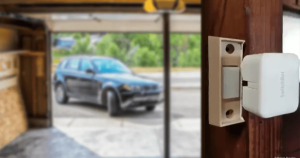
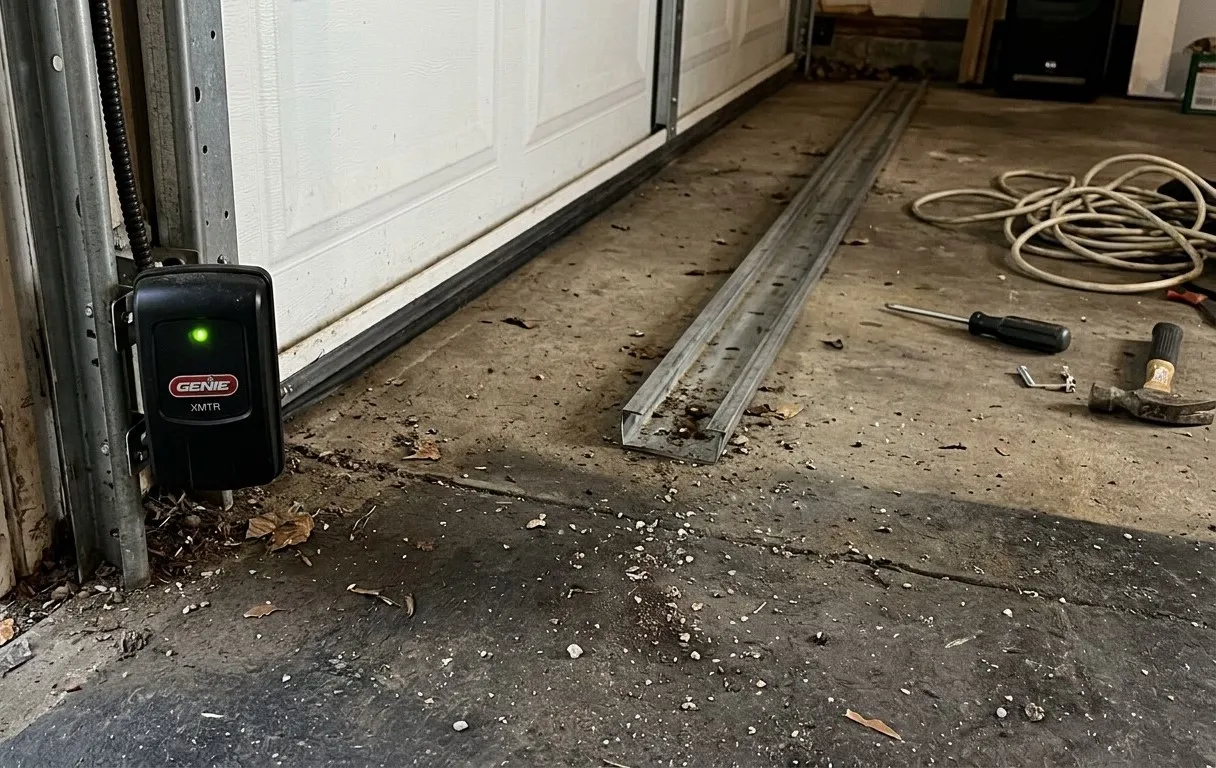
Misaligned garage door sensor lights often appear as blinking indicators, mismatched colors, or a garage door that suddenly reverses without warning. Each of these signal points to a specific communication problem between the two sensors, and most homeowners notice the pattern before understanding its cause.
Recognizing these signs early gives homeowners the chance to schedule a garage door repair while the issue is still minor and easy to address. This guide walks through the most common indicators of sensor misalignment and explains what each one means for the system as a whole.
How Does Sensor Misalignment Affect Garage Door Performance?

Sensor misalignment changes how the garage door opener responds during each full operating cycle, since the two sensors can no longer confirm a clear path before the door actually closes all the way.
Here is how this affects everyday performance:
- The door reverses partway through closing when the sensors cannot confirm a clear path.
- A delayed response occurs while the opener waits for a steady sensor signal.
- Closing only works with the wall button held down, bypassing the safety sensors.
- Movement gets blocked entirely when the system cannot read the sensors properly.
- Inconsistent cycles become more frequent as the sensor connection continues to weaken.
To understand how these performance changes relate to specific sensor problems, read our guide, What to Inspect When Garage Door Sensor Lights Change Color, which breaks down how to trace each symptom to its cause.
Signs of Sensor Light and Physical Misalignment
Primary Signs of Sensor Light Misalignment
Blinking, mismatched, or missing sensor lights each point to a different stage of connection trouble between the two units mounted near the floor.
Here is what this typically looks like:
- Flickering starts as the sensors struggle to hold a steady beam.
- One sensor stays solid while the other flashes or goes dark.
- A missing light appears once a sensor shifts out of place.
- Repeated flashing from the overhead light signals a lost connection.
- Certain opener models pair a beeping sound with these light changes.
Light patterns like these sometimes trace back to how the sensors were positioned during the original garage door installation.
Physical Symptoms of Misaligned Sensors
Beyond the lights, a shift in sensor position affects how the door behaves during a normal open-and-close cycle.
Here is what homeowners often notice:
- Reversing kicks in right as the door starts closing.
- Holding down the wall button is the only way to force a close.
- Pressing the remote or wall button produces no response.
- Partial closing happens before the door catches and reverses.
- Repeated patterns like these are a cue to stop using the opener.
A door that stops responding altogether is often a sign to call for emergency garage door repair rather than waiting it out.
What Different Sensor Light Colors Can Indicate
Sensor light colors shift depending on how well the beam connects between the two units, ranging from a steady signal to a weakened or completely dropped signal.
| Light Pattern | What It Typically Indicates |
| Solid green on both sides | The beam is connecting properly between the sensors |
| Amber or red steady light | A normal status color on certain opener models |
| One side lit, the other side dark | A dropped connection between the two units |
| Dimmer light than usual | A possible lens issue rather than a true alignment problem |
| Both sides flashing together | A shared power or wiring issue affecting both sensors |
To confirm what a fully working sensor setup looks like before comparing it against these patterns, read our guide on Should Both Lights Be Green on Garage Door Sensors?, which explains what both lights working correctly actually indicate.
How to Confirm It’s Actually a Sensor Misalignment
Ruling out other causes first helps homeowners determine whether the issue stems from sensor misalignment or something else entirely.
Here is what to check before assuming misalignment is the cause:
- A tripped breaker can mimic misalignment symptoms.
- Loose wiring at the sensor base causes similar on-and-off behavior.
- Dust or cobwebs on the lens can block the beam without any real shift in position.
- Direct sunlight at certain times of day can interfere with the reading.
- Trash cans or stored items in the door’s path can trigger the same response.
To trace these symptoms back to their exact root cause, read our guide on Common Causes of Color Changes in Garage Door Sensor Lights, which breaks down what triggers each specific shift in more detail.
Why Sensor Realignment Should Be Left to a Professional
Precise calibration is difficult to achieve without proper tools, which is why sensor realignment works best in the hands of someone trained to do it.
Here is why professional handling matters most:
- Bending brackets by hand risks throwing the angle off even further.
- A slight miscalculation can damage the sensor lens or mounting hardware.
- Proper calibration requires tools most homeowners do not have on hand.
- Skipping proper realignment can leave the safety sensors unreliable during daily use.
- Years of hands-on experience help a technician spot issues a homeowner might miss entirely.
Professional experience helps confirm that the sensors are reading each other correctly before the door returns to regular use.
How Professionals Realign Garage Door Sensors
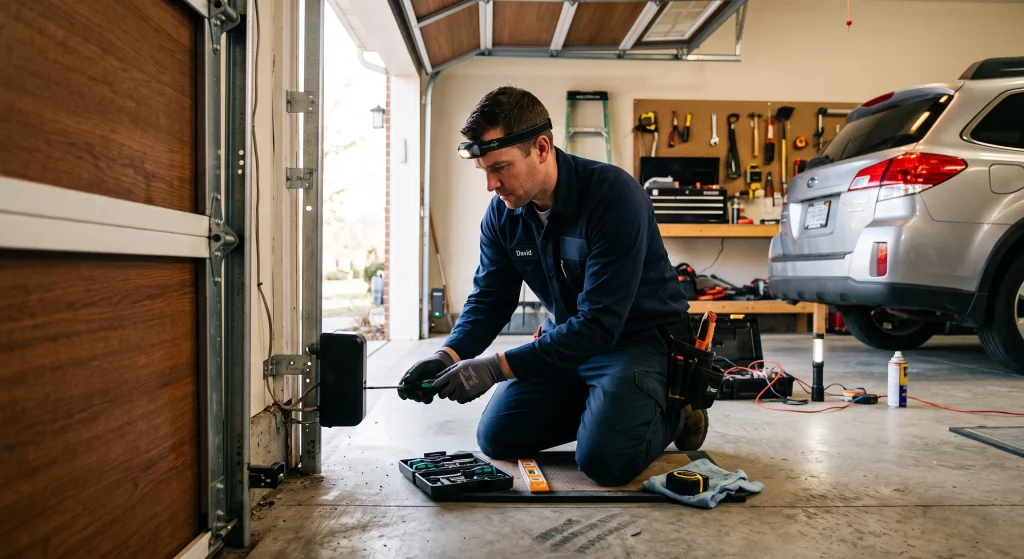
Technicians follow a consistent process to bring both sensors back into proper alignment and to confirm that the beam connects as it should.
Here is what this process typically includes:
- Sensor brackets are checked and adjusted to correct any positional shift.
- Lenses are wiped clean to remove dust or debris that blocks the beam.
- Wiring connections get tested to rule out loose or damaged wires.
- The opener gets run through several cycles to confirm a steady signal.
- Routine garage door maintenance is often recommended to help prevent the issue from recurring.
A proper realignment ensures both sensors consistently read each other, restoring the door’s daily cycle to normal function.
Noticing These Signs Means It Is Time to Call the Pros
Garage door sensor lights show clear patterns when something shifts out of position, and catching these signs early keeps small issues from growing into bigger ones. Knowing what to look for and when to act gives homeowners more confidence in how a garage door system performs.
Alachua Door Company works closely with homeowners throughout Gainesville, FL, to inspect and correct misaligned garage door sensor lights with precise, hands-on adjustments every time. Contact us or give us a call today, and let our team get both sensors reading each other correctly again.
Frequently Asked Questions
Does bumping a ladder or stored item against the sensor cause misalignment?
Yes. Even a light bump against the sensor bracket can shift its angle enough to fully break the beam connection. Items stored too close to the sensors are a fairly common cause of this type of disruption.
Can sensors from one garage door brand be more prone to misalignment than those from another?
It depends on the mounting bracket design and how securely the sensors were installed. Some brackets hold their position more firmly over time than others, which can affect how often adjustments are needed.
Is misalignment always caused by a physical impact?
No. While bumps are common, vibration from regular door use or a loose connection at the mounting screw can gradually shift a sensor without any single impact causing it. Routine checks help catch this type of gradual movement early.
Can a misaligned sensor cause the garage door to close more slowly than usual?
Yes. Some openers slow down the closing cycle when the photo eyes are not communicating clearly, treating it as a built-in cautionary measure. This behavior is different from the door stopping completely partway through.
Should both sensors be inspected even if only one shows a problem?
Yes. Checking both sensors together helps confirm whether the issue is isolated to one unit or affects the connection as a whole. This step is a standard part of professional garage door safety sensor inspections.
Can a garage door sensor be misaligned without any visible gap or tilt?
Yes. Some misalignments are small enough that the sensor lenses still appear straight to the eye, even though the internal angle is off. A trained garage door technician typically uses testing tools rather than relying solely on a visual check.
Is professional realignment usually a quick process?
In most cases, yes. Once a technician pinpoints the affected sensor, adjusting the bracket and confirming the beam connection are relatively quick parts of a full garage door sensor repair visit.
Can a misaligned sensor affect only one side of the garage door?
Yes. Since each sensor operates independently, only one side may show symptoms while the other continues working normally throughout the cycle. This is why both units are carefully checked during a full inspection.
Does the cost of fixing a misaligned sensor vary by issue type?
Yes. Garage door sensor repair costs can vary depending on whether the fix involves a simple adjustment or requires clearing spider webs and debris from the unit. A technician can confirm the scope after inspecting the sensors in person.